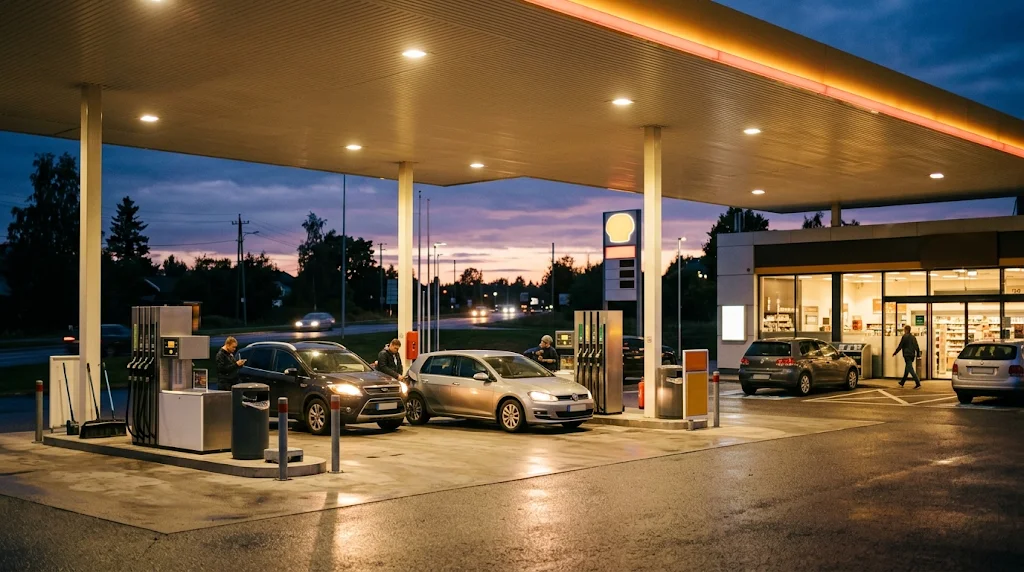
Fuel prices remain frozen across Serbia as the government extends excise duty cuts
Temporary tax relief cushions motorists against global energy volatility while keeping pump rates steady through mid-November.
Drivers pulling into filling stations across Serbia can count on predictable pump totals for another stretch. Facing ongoing turbulence in global crude benchmarks and persistent inflationary pressures across supply chains, the Vlada Srbije in its technical mandate has decided to keep state fuel duties artificially lowered.
By extending the ongoing 25 percent reduction on excise duties for petroleum derivatives until November 15, fiscal authorities have effectively maintained retail price caps, preventing immediate price hikes at retail forecourts.
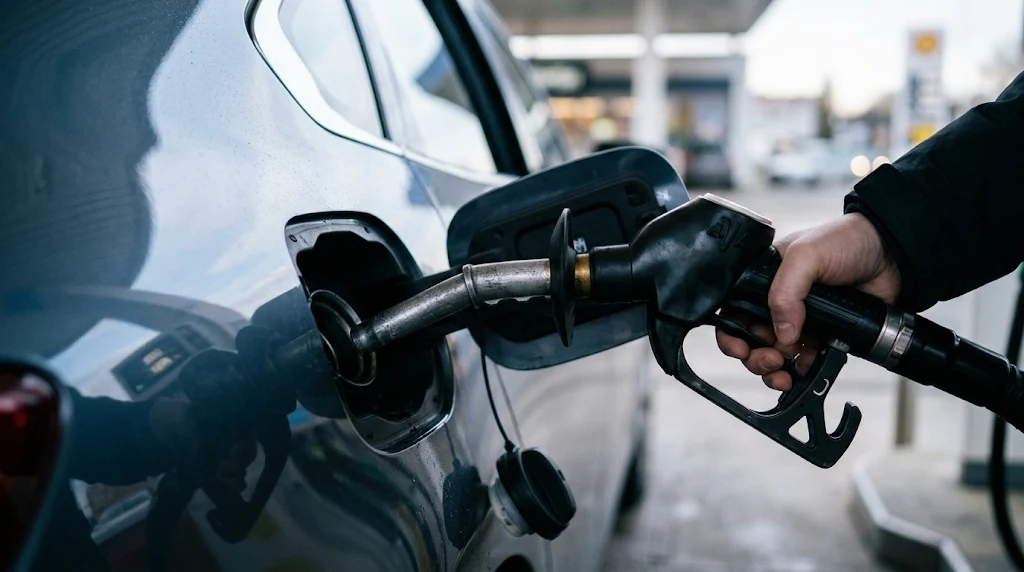
How the excise reductions break down
Excise duties represent a substantial portion of the final retail cost of motor fuel, making tax adjustments one of the quickest levers a state can pull to stabilize consumer spending.
According to official figures from the Ministarstvo finansija, the temporary duty rates per litre remain fixed at the following levels:
- Unleaded petrol (BMB 95): 54.00 dinars per litre
- Leaded petrol: 57.41 dinars per litre
- Gas oils (diesel fuels): 55.53 dinars per litre
Without this intervention, standard statutory excise levies would instantly drive wholesale import calculations up, triggering immediate price adjustments across retail pump networks.
Frozen pump prices: what drivers pay at the forecourt
Because excise reductions remain in place alongside state price regulation formulas, retail ceiling prices for standard motor fuels will match the levels recorded over the preceding cycle.
Motorists across the country will continue paying:
- Eurodiesel: 236 dinars per litre
- Petrol (BMB 95): 207 dinars per litre
For commercial transport operators, courier fleets, and commuter households, this temporary price freeze provides welcome predictability in weekly budgeting.
The broader economic balancing act
The decision to postpone restoring full fuel excises highlights the delicate line energy policymakers must walk:
- Protecting household purchasing power: Transportation costs feed directly into grocery pricing, delivery fees, and general retail goods. Allowing fuel to surge immediately trickles down into everyday food and services.
- Safeguarding state budget revenues: Fuel excises form one of the most reliable streams of public revenue. Every week the reduction stays active, the treasury foregoes significant tax inflows, meaning extensions are rarely permanent and are reviewed on short, rolling cycles.
- Navigating international crude swings: With European oil benchmarks such as Brent hovering near elevated levels and regional geopolitical uncertainties threatening shipping routes, domestic refineries and importers remain exposed to sharp price swings on global commodity exchanges.

What to expect beyond November 15
While this brief rollover keeps fuel lines steady through the middle of the month, future price lists will depend on two critical variables: global wholesale movements of crude derivatives and the fiscal stance of the incoming cabinet.
Unless international oil markets experience a sharp downturn, drivers should anticipate that government reviews will continue on a week-to-week basis, with authorities weighing the fiscal burden against the risk of reigniting broader transport inflation.