
The Potential for Tourism Development in Serbia
Serbia: A Destination with Untapped Tourism Potential
Serbia has all the ingredients needed to become one of the most attractive emerging tourist destinations in Southeast Europe. Its combination of diverse landscapes, rich history, cultural heritage, traditional cuisine, vibrant cities and welcoming people provides an excellent foundation for further tourism development.
The country is already attracting millions of visitors every year, but its tourism potential is considerably greater than the current level of international recognition suggests.
In September 2026, Serbia adopted a new Tourism Development Strategy for 2026–2030, with the goal of positioning the country as an authentic, sustainable and recognizable destination on the international market. The strategy places particular emphasis on year-round tourism, digital transformation, sustainability and stronger international visibility.
Strong Results and Significant Room for Growth
Serbia has made considerable progress as a tourist destination over the past decade. In 2024, the country recorded 4.4 million tourist arrivals, 12.7 million overnight stays and approximately €2.8 billion in foreign-exchange revenue from tourism. The new national strategy aims to increase this even further. By 2030, Serbia is targeting between 5.6 and 6.4 million tourist arrivals and between 16.1 and 18.5 million overnight stays. The government expects EXPO 2027 in Belgrade to make an important contribution to achieving these objectives.
These figures demonstrate that tourism is becoming an increasingly important part of Serbia’s economy.
Natural Beauty as a Major Tourism Asset
One of Serbia’s greatest advantages is its natural diversity.
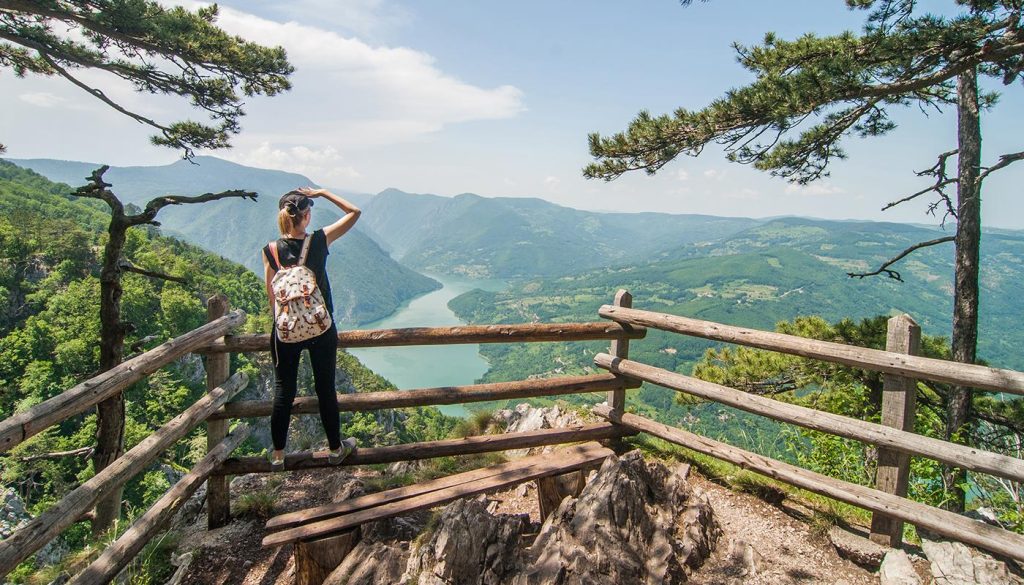
From the mountains of western and southern Serbia to the plains of Vojvodina, from the Danube and Sava rivers to spectacular canyons and lakes, the country offers a surprisingly wide variety of landscapes within a relatively small geographical area.
Destinations such as Tara National Park, Uvac Special Nature Reserve, Đerdap National Park, Kopaonik, Zlatibor, Stara Planina and Fruška Gora have enormous potential for hiking, cycling, adventure tourism, wildlife observation and nature-based holidays.
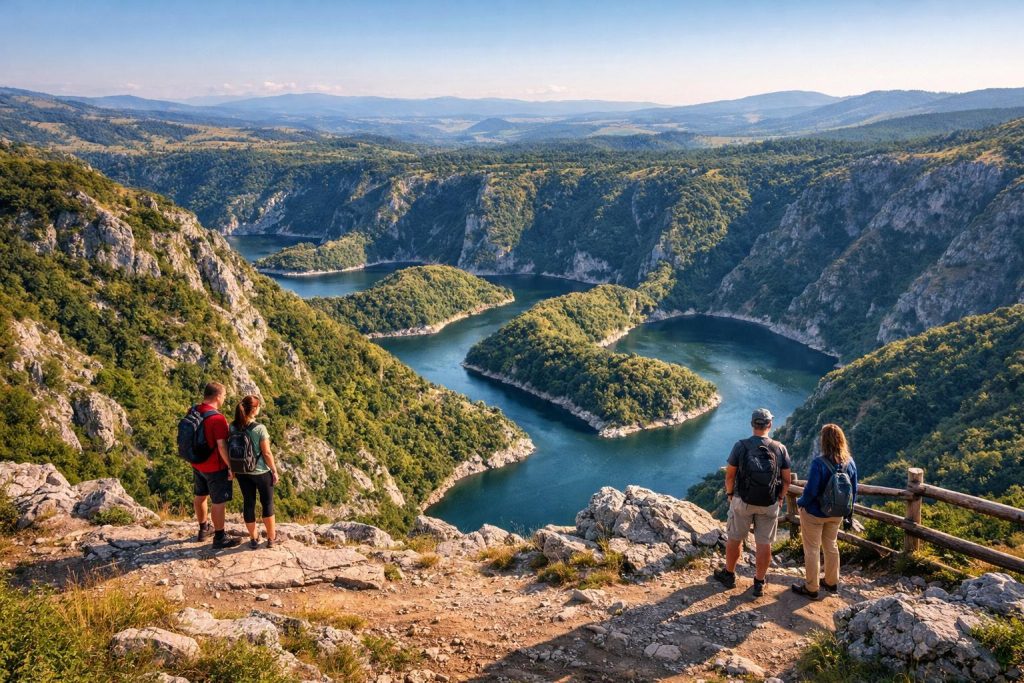
The Uvac canyon, for example, has become one of Serbia’s most recognizable natural attractions, with its spectacular meanders, viewpoints and opportunities for hiking and boat excursions.
8
The future of Serbian tourism should therefore not depend exclusively on traditional summer and winter destinations. Nature tourism can help extend the tourist season throughout the entire year.
Cultural and Historical Tourism
Serbia also possesses a remarkable cultural and historical heritage.
Belgrade, Novi Sad, Niš, Sremski Karlovci, Vojvodina and numerous smaller towns offer opportunities to develop cultural tourism based on architecture, museums, archaeological sites, monasteries, fortresses and traditional communities.
Serbia’s medieval monasteries are particularly important. Sites such as Studenica, Žiča, Sopoćani and Manasija represent an important part of the country’s cultural identity and can attract visitors interested in history, architecture, religion and art.
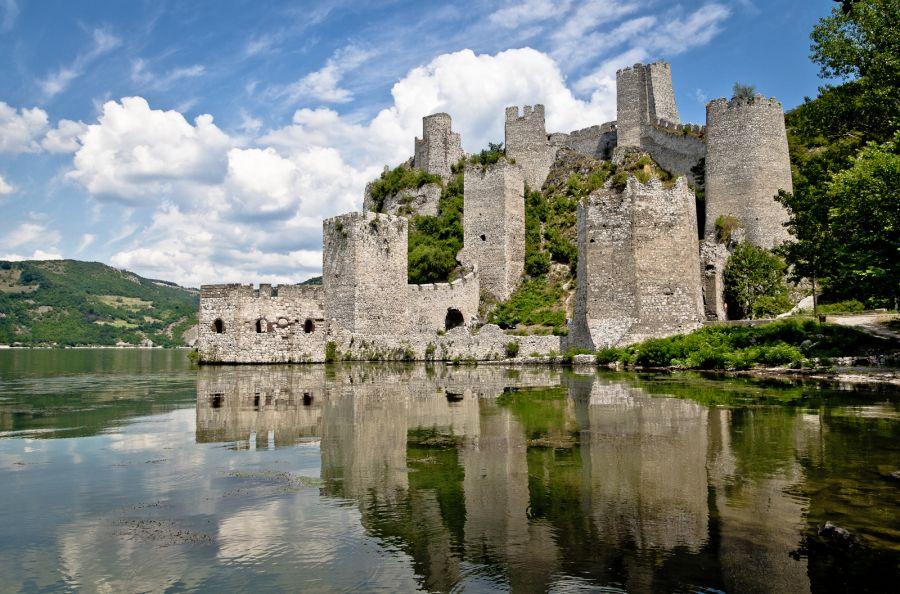
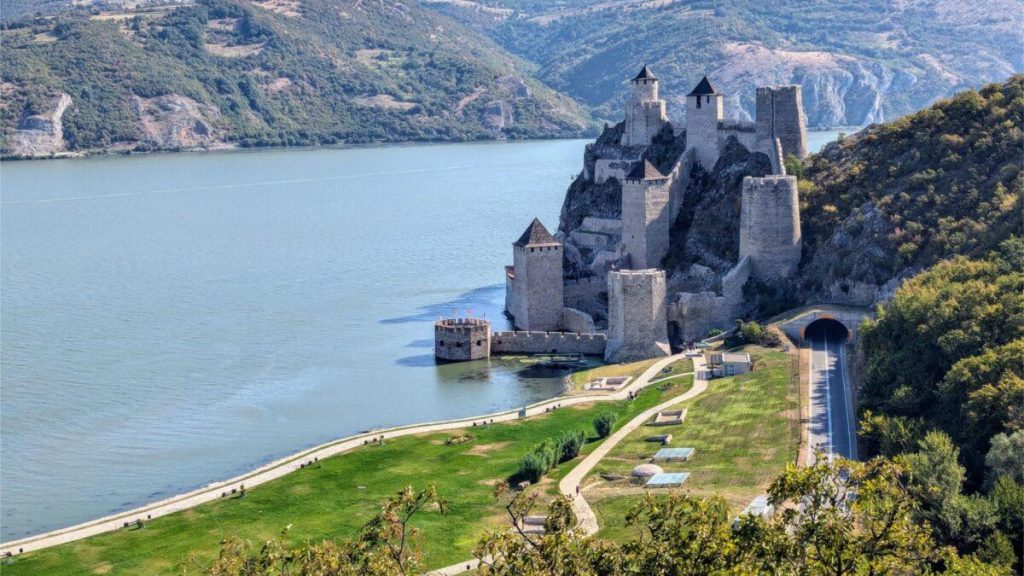
Fortresses along the Danube provide another opportunity for tourism development. Belgrade Fortress, Golubac Fortress and the fortifications of Smederevo could form part of a larger cultural-tourism route connecting Serbia’s history with the Danube.
The Danube – One of Serbia’s Greatest Opportunities
The Danube represents an especially valuable tourism resource.
It connects Serbia with a large part of Central and Eastern Europe and offers opportunities for river cruises, boating, fishing, cycling, gastronomy and cultural tourism.
The Đerdap Gorge, often called the Iron Gate, is one of the most impressive sections of the Danube in Europe. Its combination of dramatic landscapes, archaeological heritage and historic sites creates the basis for an internationally attractive tourism destination.
Developing better marinas, cycling routes, visitor centres, accommodation and tourist services along the Danube could significantly increase the economic value generated by river tourism.
Gastronomy as a Tourism Product
Serbian cuisine is another largely underused tourism resource.
Traditional dishes, local wines, rakija, cheeses, cured meats, honey, fruit products and regional specialties can become much more than something tourists consume during their stay—they can become a reason to visit Serbia.
Wine tourism has particularly strong potential in regions such as Fruška Gora, Šumadija, Negotin and the areas around Vršac.
The combination of vineyards, traditional villages, restaurants, wineries and cultural attractions could create attractive multi-day tourism experiences.
Rural and Village Tourism
Rural Serbia offers another significant opportunity.
Many villages are surrounded by beautiful landscapes and have preserved traditional architecture, food production and customs. With relatively modest investment, these areas can develop accommodation, farm-to-table restaurants, cycling routes, walking trails and authentic cultural experiences.
Rural tourism can also have an important social and economic role because it can provide additional income for local families and help slow the depopulation of smaller communities.
Instead of concentrating tourism exclusively in Belgrade and several major mountain resorts, Serbia has an opportunity to distribute tourism revenue more evenly across the country.
Adventure and Active Tourism
Modern tourists increasingly look for experiences rather than conventional sightseeing.
Serbia can offer rafting, kayaking, hiking, mountain biking, paragliding, climbing, fishing, horseback riding and other outdoor activities.
The mountains and rivers of western and eastern Serbia are particularly suitable for this type of tourism.
Developing professional services, clear safety standards, marked trails, digital maps and multilingual information would make these activities more attractive to international visitors.
Belgrade as the Main Gateway
7
Belgrade will continue to play a central role in Serbia’s tourism development.
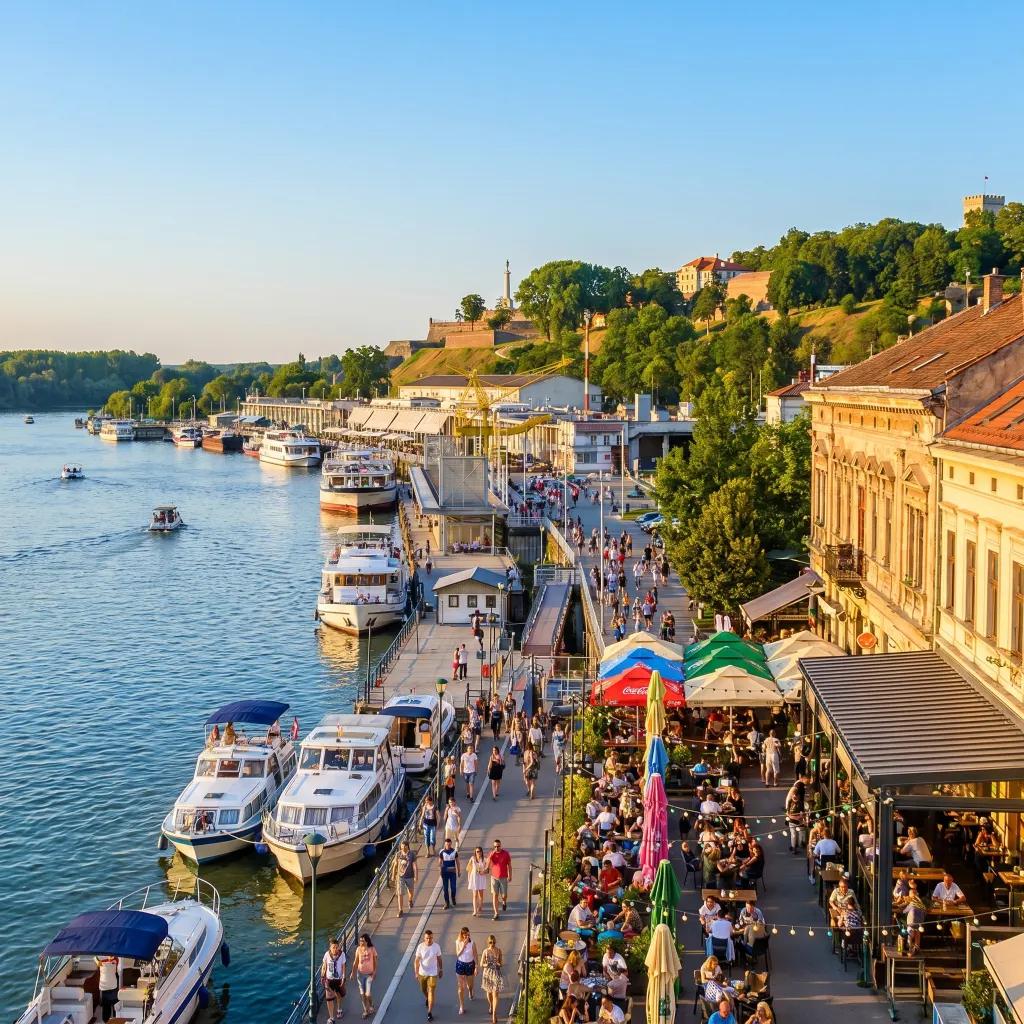
The capital already offers a combination of history, nightlife, gastronomy, architecture, rivers and cultural events that makes it attractive for short city breaks.
However, Belgrade can also become a gateway to the rest of Serbia.
A visitor arriving in Belgrade could spend two or three days in the capital before continuing to Novi Sad, Fruška Gora, Golubac, Tara, Uvac or other destinations. Better connections between destinations and professionally designed tourism packages could significantly increase the average length of stay.
EXPO 2027 as a Historic Opportunity
The Specialized EXPO 2027 in Belgrade represents an exceptional opportunity to introduce Serbia to visitors who may never previously have considered the country as a holiday destination.
Millions of international visitors are expected to come to Belgrade during the event. The challenge will be to encourage them to stay longer and explore destinations outside the capital.
EXPO 2027 could therefore become a catalyst for the development of tourism infrastructure, international promotion and new tourism products.
The real measure of success, however, will be what happens after EXPO 2027.
Digital Tourism and Modern Promotion
Tourism is changing rapidly. Visitors increasingly plan their journeys using smartphones, online maps, social media, travel platforms and artificial intelligence.
Serbia has an opportunity to use digital technology to present destinations in a much more sophisticated way.
A modern tourism system could provide visitors with:
- multilingual digital guides;
- interactive maps and travel routes;
- online ticketing;
- digital tourist cards;
- AI-powered travel recommendations;
- virtual tours;
- integrated accommodation and transport information;
- personalized travel itineraries.
The new Tourism Development Strategy specifically identifies digital transformation and smart tourism as important elements of Serbia’s future tourism development.
Sustainable Tourism Must Be the Goal
Tourism development should not simply mean attracting more visitors.
Serbia must also protect the natural and cultural resources that make the country attractive in the first place.
Sustainable tourism means protecting forests, rivers, national parks and cultural monuments while ensuring that local communities benefit economically from tourism.
This is particularly important for destinations such as Uvac, Tara, Đerdap and other protected areas where uncontrolled development could damage the very landscapes tourists come to experience.
The Road Ahead
Serbia has a rare combination of advantages: a central European location, relatively short distances between attractions, diverse nature, rich cultural heritage, affordable travel compared with many Western European destinations, excellent cuisine and a strong tradition of hospitality.
The country’s challenge is not a lack of attractions. The greater challenge is turning those attractions into well-organized, internationally recognizable tourism products.
Better infrastructure, professional destination management, multilingual promotion, investment in local accommodation, improved transport connections and stronger cooperation between municipalities and private businesses will be essential.
Serbia Has the Potential to Become a Major Tourism Destination
The adoption of the 2026–2030 Tourism Development Strategy provides a clear framework for the next stage of Serbia’s tourism development. Its emphasis on sustainability, innovation, digitalization and year-round tourism reflects the changing expectations of modern travellers.
With EXPO 2027 providing an unprecedented international platform, Serbia has a unique opportunity to move from being an interesting but relatively undiscovered destination to becoming a recognized European tourism destination.
The potential is already there. The next step is to connect Serbia’s natural beauty, history, culture, gastronomy and hospitality into experiences that international visitors will remember—and want to experience again.