Author: webdeveloper

Job Opportunities in Serbia: Where Are the Best Opportunities?

Serbia’s Labour Market Is Changing

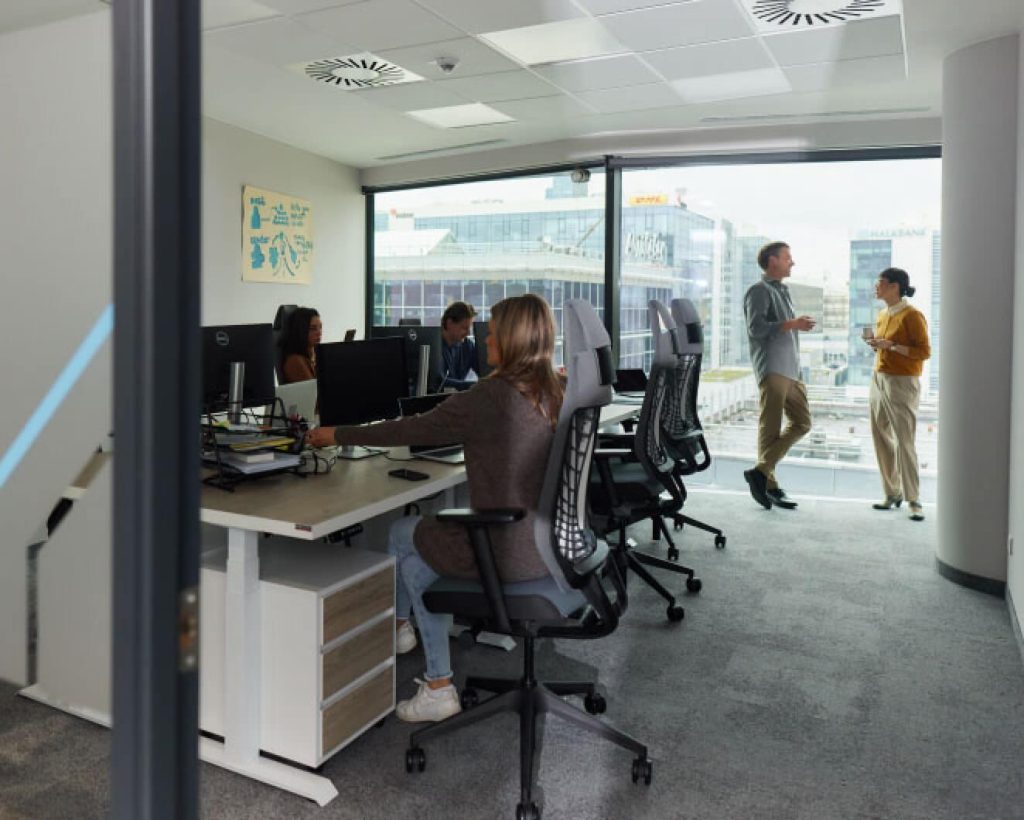
Finding a job in Serbia has become a very different process compared with previous decades. The labour market is changing under the influence of technology, foreign investment, demographic trends, new business models and the growing importance of services.

For people looking for employment, this creates both challenges and opportunities.

According to the latest Labour Force Survey published by the Statistical Office of the Republic of Serbia, 2.84 million people were employed in Serbia in the second quarter of 2026, while 220,200 people were unemployed. The unemployment rate was 7.2%, down from the previous quarter.

These figures show that finding a suitable job is certainly possible, but the opportunities are not evenly distributed among professions and regions.
Which Sectors Offer the Most Opportunities?

The Serbian economy is diverse, and employment opportunities can be found in many different sectors.

Services account for the largest share of employment. At the end of 2025, approximately 60% of employed people worked in services, followed by manufacturing with 22.6% and agriculture with 11.3%.

This means that job seekers should look beyond traditional office jobs. Opportunities exist in tourism, hospitality, logistics, transportation, retail, healthcare, education, manufacturing, construction, agriculture and numerous professional services.

Information Technology and Digital Professions

Information technology remains one of the most attractive areas for people with appropriate skills.

Software development, web development, cybersecurity, cloud technologies, data analysis, artificial intelligence, digital marketing and technical support can provide opportunities for both domestic employment and international remote work.

One of the major advantages of digital professions is that a person does not necessarily have to live in Belgrade to work for an international company.

Remote work has opened the Serbian labour market to employers from other countries, while Serbian professionals can compete for positions that previously required relocation.

However, the technology sector is also becoming more competitive. Simply completing a short programming course is no longer enough for many better-paid positions. Employers increasingly look for practical experience, portfolios, foreign-language skills and the ability to solve real business problems.

Manufacturing and Technical Professions

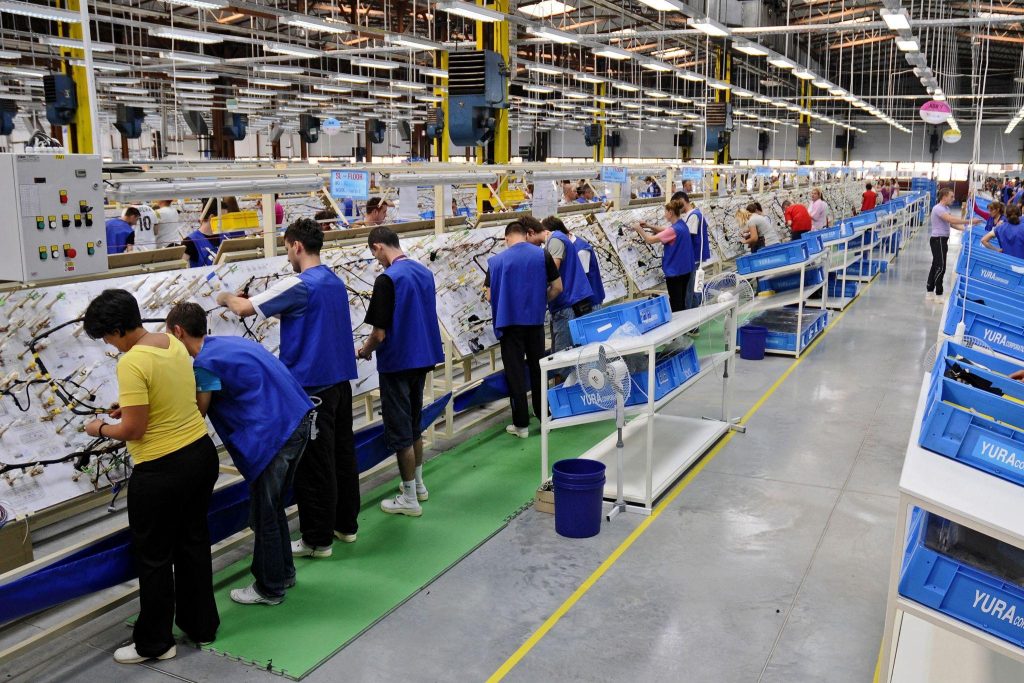
Manufacturing remains an important source of employment throughout Serbia.

Factories and industrial companies need workers with different levels of qualifications, including:

  • machine operators;
  • electricians;
  • mechanical technicians;
  • maintenance specialists;
  • quality-control workers;
  • production supervisors;
  • engineers;
  • logistics specialists.

Registered employment statistics for the second quarter of 2026 show that manufacturing remained one of the country’s largest employment sectors, although the number of registered employees in manufacturing decreased compared with the same period of the previous year.

This illustrates an important point: manufacturing remains significant, but the structure of jobs is changing and employers increasingly need workers with specialized technical knowledge.

Construction Offers Opportunities for Skilled Workers

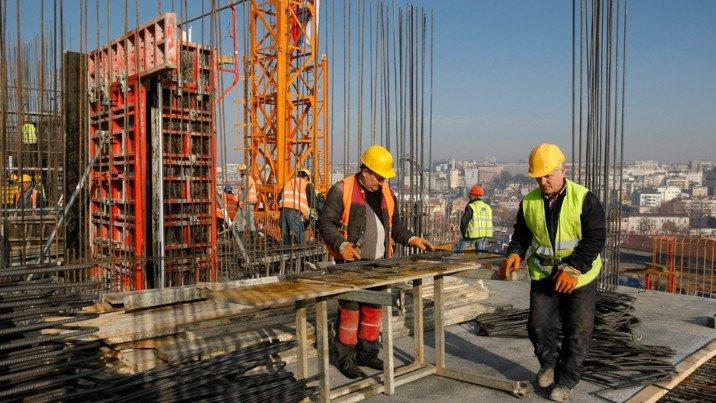
Construction is another sector where practical skills can be valuable.

Electricians, plumbers, welders, carpenters, tilers, heating and air-conditioning technicians, machine operators and other skilled tradespeople can find employment opportunities both in Serbia and abroad.

The construction industry also creates opportunities for engineers, architects, project managers, quantity surveyors and safety specialists.

For young people choosing a profession, skilled trades can therefore represent an alternative to a traditional university education.

A good craftsman with experience and a strong reputation can potentially earn a very good income, particularly when working independently.

Tourism and Hospitality

Tourism is becoming increasingly important for Serbia.

Belgrade, Novi Sad, mountain resorts, spa towns, wine regions and rural destinations generate demand for employees in hotels, restaurants, travel agencies and tourist services.

Jobs can include:

  • hotel receptionists;
  • chefs;
  • waiters;
  • housekeepers;
  • tour guides;
  • drivers;
  • travel agents;
  • event staff;
  • hotel managers;
  • digital marketing specialists.

The development of tourism associated with EXPO 2027 in Belgrade could provide additional employment opportunities in hospitality, transportation, events, tourism and related services.

Knowledge of foreign languages can be a major advantage in this sector.

Transport and Logistics

Serbia’s geographical position makes transportation and logistics particularly important.

The country is located on important European transportation routes and has road, rail, river and air connections with the wider region.

This creates demand for:

  • professional drivers;
  • warehouse workers;
  • logistics coordinators;
  • dispatchers;
  • supply-chain specialists;
  • customs specialists;
  • transport managers.

The growth of e-commerce is also creating additional demand for warehouse, delivery and logistics services.

Healthcare and Social Services

Healthcare is another area where demand for qualified workers is expected to remain significant.

Doctors, nurses, medical technicians, pharmacists, physiotherapists and other healthcare professionals can find employment opportunities in both the public and private sectors.

Private healthcare has also expanded in Serbia, creating additional opportunities for medical professionals and administrative workers.

At the same time, demographic changes are increasing the need for elderly care and social services.

Agriculture and Food Production

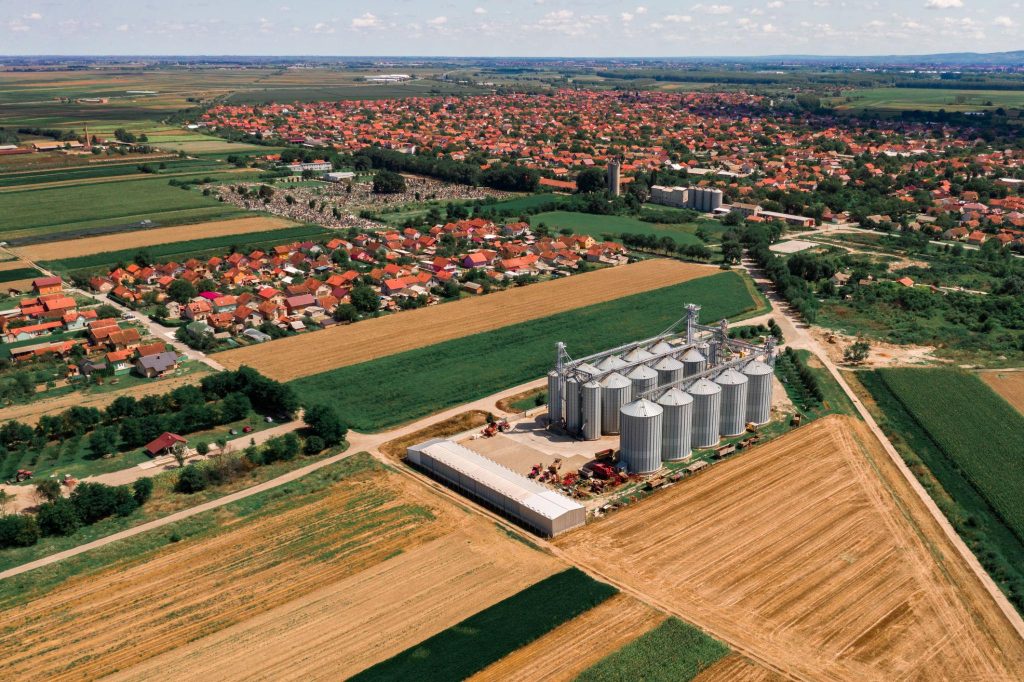
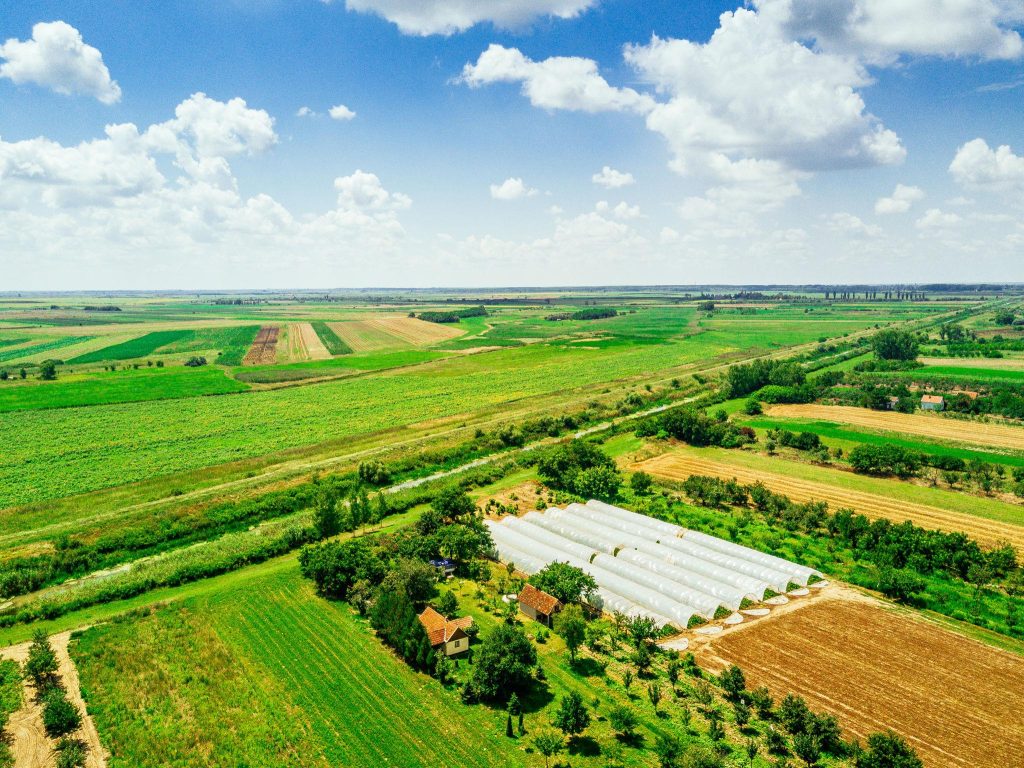
Agriculture continues to provide employment, particularly in rural areas.

However, modern agriculture increasingly requires people with technical and business knowledge.

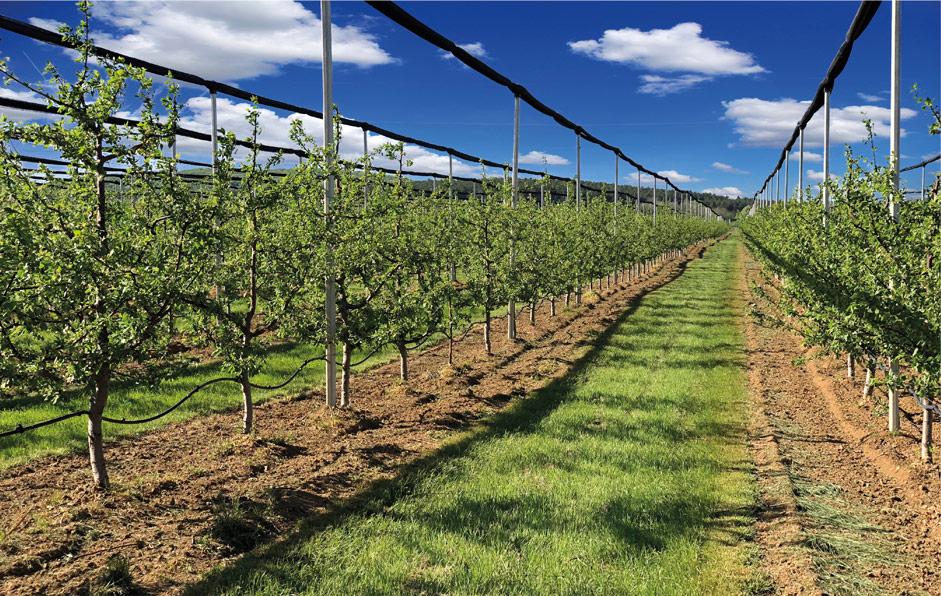
There are opportunities for agronomists, agricultural technicians, machinery operators, veterinarians, food technologists, logistics specialists and workers in food processing.

Serbia also has considerable potential in the processing and export of agricultural products, which could create additional employment beyond primary agricultural production.

Working in Belgrade or Outside the Capital

Belgrade offers the largest concentration of job opportunities, particularly in professional services, IT, finance, telecommunications, administration, tourism and large companies.

However, people looking for employment should not ignore other parts of Serbia.

Novi Sad, Niš, Kragujevac, Subotica, Čačak, Kraljevo and other regional centres have their own industrial and service economies.

Manufacturing, agriculture, logistics and tourism can be particularly important outside Belgrade.

Remote work has also reduced the importance of geographical location for some professions.

A person living in a smaller Serbian town can potentially work for a company based in Belgrade or another country without moving.

Foreign Languages Can Make a Major Difference

Knowledge of English is increasingly important in the Serbian labour market.

For jobs involving international companies, tourism, IT, customer support, sales and administration, good English can significantly increase employment opportunities.

Additional languages such as German, French, Italian, Spanish or Russian can provide an additional advantage, particularly in customer service, tourism, logistics and companies working with foreign markets.

For many young people, investing in language skills can therefore be just as important as obtaining a formal qualification.

Education Is Important, but Practical Skills Matter Too

A university degree remains important for many professions, but it is not the only path to employment.

The Serbian economy needs both highly educated professionals and skilled workers.

Electricians, mechanics, welders, heating technicians, programmers, designers, healthcare workers, drivers and many other professionals can build successful careers through vocational education, professional training and practical experience.

The most valuable combination is often:

education + practical skills + experience + communication skills + willingness to learn.

Young People Face Particular Challenges

Although the general unemployment rate in Serbia has declined, young people continue to face greater difficulties entering the labour market.

In the second quarter of 2026, the unemployment rate among people aged 15–24 was 22%.

This is why gaining practical experience during education can be extremely valuable.

Internships, student projects, apprenticeships, volunteering and part-time work can help young people build their first professional network and demonstrate their abilities to potential employers.

Salaries and the Importance of Choosing the Right Profession

According to the Statistical Office of the Republic of Serbia, the average salary in June 2026 was 120,401 dinars.

However, the average salary does not tell the whole story.

Income varies considerably according to profession, education, experience, location and employer.

Some specialized professions can provide significantly higher incomes, while entry-level positions may pay considerably less.

For someone choosing a career, it is therefore more useful to ask:

Which skills will be in demand over the next five or ten years?

rather than simply asking which jobs currently offer the highest salaries.

Remote Work Creates New Possibilities

One of the most significant changes in the modern labour market is the possibility of working remotely.

A Serbian resident with suitable digital skills can work for a company based in Germany, Austria, the United States, the United Kingdom or another country without necessarily moving abroad.

This applies particularly to:

  • software development;
  • graphic design;
  • digital marketing;
  • translation;
  • online customer support;
  • accounting;
  • consulting;
  • video production;
  • content creation;
  • virtual assistance.

Remote employment can therefore provide access to a much larger labour market than the domestic market alone.

Entrepreneurship Is Another Route to Employment

Not everyone needs to look for a traditional employer.

Self-employment and entrepreneurship can provide another route to income.

Small businesses can be established in areas such as:

  • agriculture;
  • food production;
  • tourism;
  • crafts;
  • construction;
  • transport;
  • digital services;
  • e-commerce;
  • consulting;
  • professional services.

The internet has also reduced some of the barriers to starting a small business.

A person can now potentially sell products or services not only to customers in Serbia but also to clients around the world.

What Can Improve Employment Prospects?

For an individual looking for work, several steps can make a significant difference.

First, it is important to identify skills that employers actually need.

Second, a CV should be adapted to the specific position rather than sent unchanged to every employer.

Third, practical experience should be highlighted, even when it comes from internships, personal projects or freelance work.

Fourth, learning should continue after formal education.

And finally, networking should not be underestimated. Many employment opportunities are discovered through professional contacts, recommendations and direct communication with companies.

The Future of Employment in Serbia

Serbia’s labour market is likely to continue changing.

Automation and artificial intelligence will transform some traditional jobs, while creating demand for new skills.

Digitalization will affect almost every industry, including manufacturing, agriculture, transport, finance, healthcare and tourism.

At the same time, demographic changes may increase demand for workers in healthcare, social services and other sectors where human interaction remains essential.

The biggest advantage in the future labour market may therefore be adaptability.

People who are prepared to learn new skills and adapt to technological and economic changes will have more opportunities than those who rely exclusively on one qualification obtained many years earlier.

Serbia Offers Opportunities—but Skills Matter

Finding a job in Serbia is neither impossible nor equally easy for everyone.

The latest labour-market data show a relatively low unemployment rate of 7.2%, but the figures also reveal important differences between age groups and economic sectors.

The best opportunities are likely to be found where skills, demand and economic growth meet.

For some people, that may be IT or digital services. For others, it may be manufacturing, construction, healthcare, tourism, agriculture or logistics.

The key is to understand the market, develop useful skills and be willing to adapt.

A Labour Market with Room for Growth

Serbia is going through an economic and technological transformation that is changing the way people work.

The traditional idea that a successful career requires moving to Belgrade or leaving the country is becoming less universal. New opportunities are emerging in regional cities, smaller communities and the online economy.

For young people, experienced workers and those considering a career change, the most important question is no longer simply “Where can I find a job?”

It is:

“Which skills can I develop that will make me valuable in the Serbian and international labour markets?”

For those prepared to learn, adapt and take advantage of new technologies, Serbia offers a growing range of opportunities for building a career and creating a sustainable source of income.

Agriculture in Serbia: Development and Its Enormous Potential

A Strategic Sector for Serbia’s Future

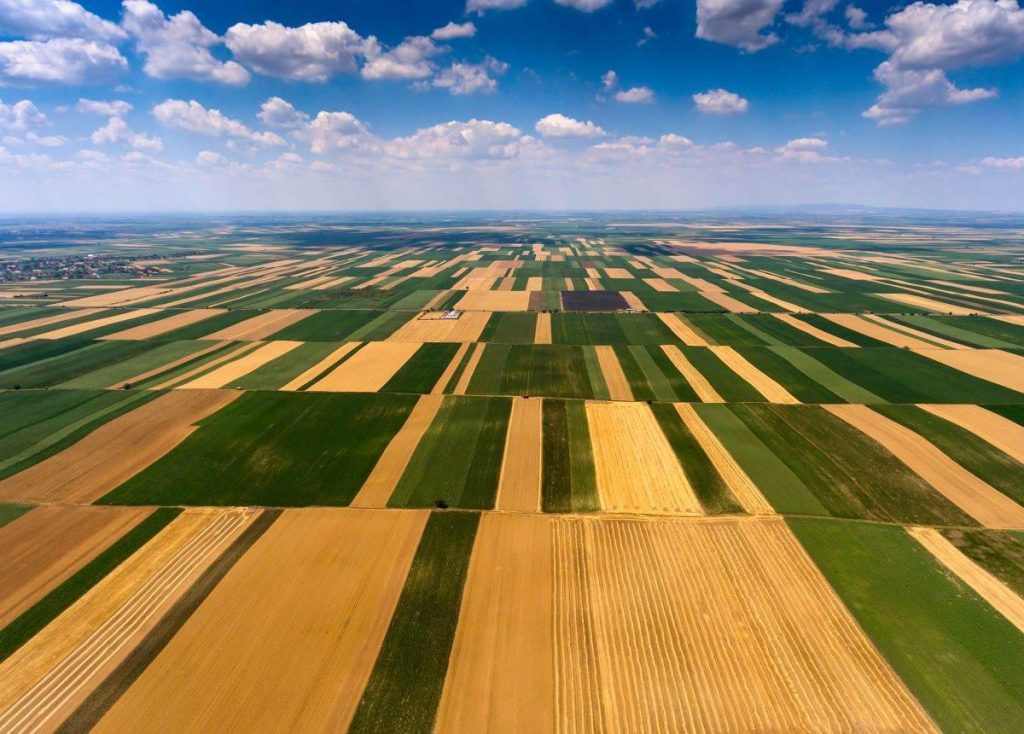
Agriculture has always been one of the most important economic activities in Serbia. The country’s fertile land, favorable climate, extensive agricultural areas, abundant water resources and long tradition of farming provide a strong foundation for further development.

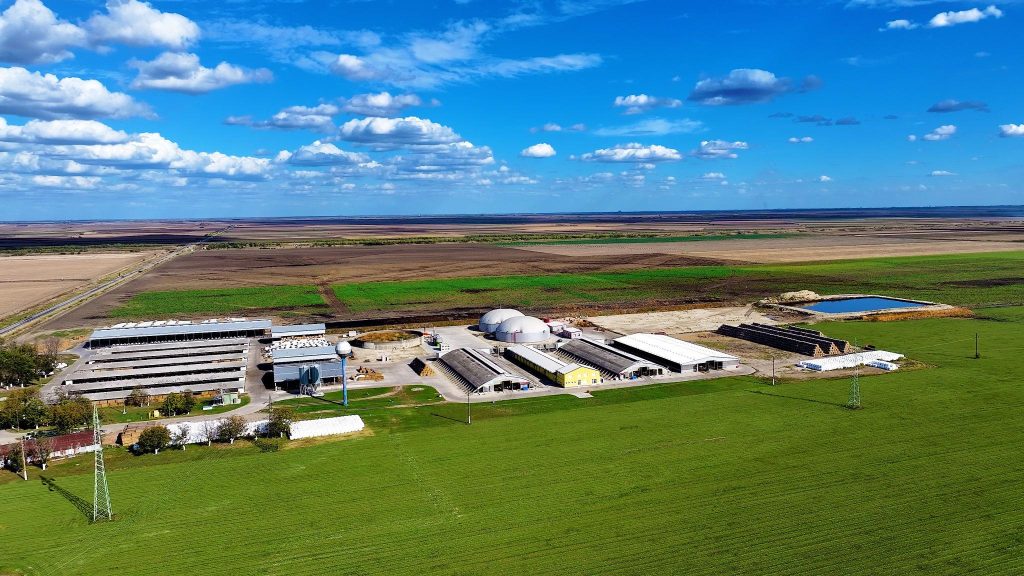
However, Serbia’s agricultural potential is much greater than simply producing wheat, corn, fruit and vegetables. The greatest opportunity lies in transforming agriculture into a modern, technologically advanced and competitive sector that combines primary production with food processing, innovation, exports, rural tourism and sustainable development.

The Serbian Government recently adopted the Agriculture and Rural Development Strategy for 2026–2034, placing modernization, investment, innovation, sustainability and food security among the key priorities for the coming years.

Serbia Has Excellent Natural Conditions for Agriculture

Serbia’s geographical position gives it a major advantage.

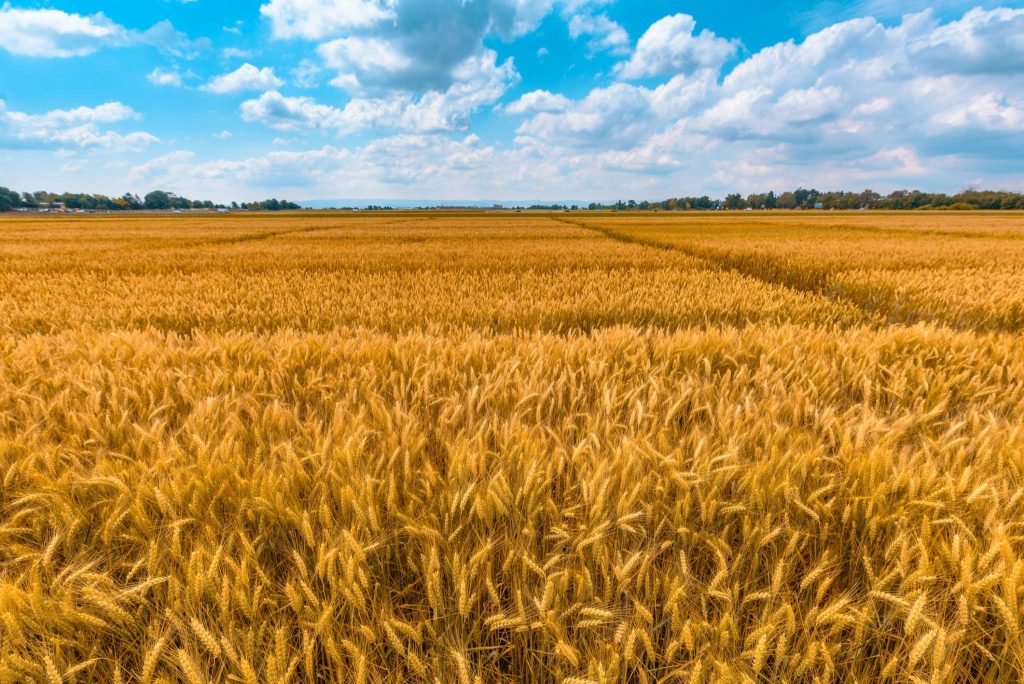
The fertile plains of Vojvodina are particularly suitable for large-scale crop production, while central, western and southern Serbia offer excellent conditions for fruit growing, livestock farming, vineyards and smaller specialized agricultural holdings.

Serbia produces a wide range of agricultural products, including:

  • wheat;
  • corn;
  • sunflower;
  • soybeans;
  • sugar beet;
  • raspberries;
  • cherries and sour cherries;
  • plums;
  • apples;
  • grapes;
  • vegetables;
  • dairy products;
  • meat and livestock products;
  • honey and other traditional agricultural products.

This diversity is an important advantage because it allows Serbian agriculture to serve both domestic consumers and international markets.

Agriculture Is Also an Important Export Opportunity

Agriculture and food production have an important role in Serbia’s foreign trade.

According to data from the Statistical Office of the Republic of Serbia, agricultural, forestry and fishing activities generated exports worth approximately €1.05 billion in 2025 under the production-based classification. Crop and animal production accounted for the overwhelming majority of this value.

The opportunity for further growth is particularly significant if Serbia increases the share of processed products in its exports.

Instead of exporting primarily raw agricultural commodities, Serbian companies can generate significantly greater value by producing finished and semi-finished products.

For example, instead of exporting raw fruit, Serbia can increasingly export:

  • frozen fruit;
  • fruit concentrates;
  • juices;
  • jams;
  • dried fruit;
  • premium organic products;
  • processed vegetables;
  • packaged food;
  • functional and healthy food products.

This approach can increase farmers’ incomes while creating additional employment in rural areas.

From Raw Materials to Finished Products

One of the biggest challenges facing Serbian agriculture is the relatively low level of processing of certain agricultural products.

A modern agricultural economy should not end at the farm gate.

A kilogram of fruit can have one value when sold immediately after harvesting, another when frozen or dried, and significantly greater value when transformed into a branded finished product.

This means that the future of Serbian agriculture is closely connected with the development of the food-processing industry.

Investments in cold storage facilities, modern processing plants, packaging, quality control, logistics and branding could substantially increase the value generated by Serbian agriculture.

Fruit Growing as One of Serbia’s Greatest Strengths

Serbia has particularly strong potential in fruit production.

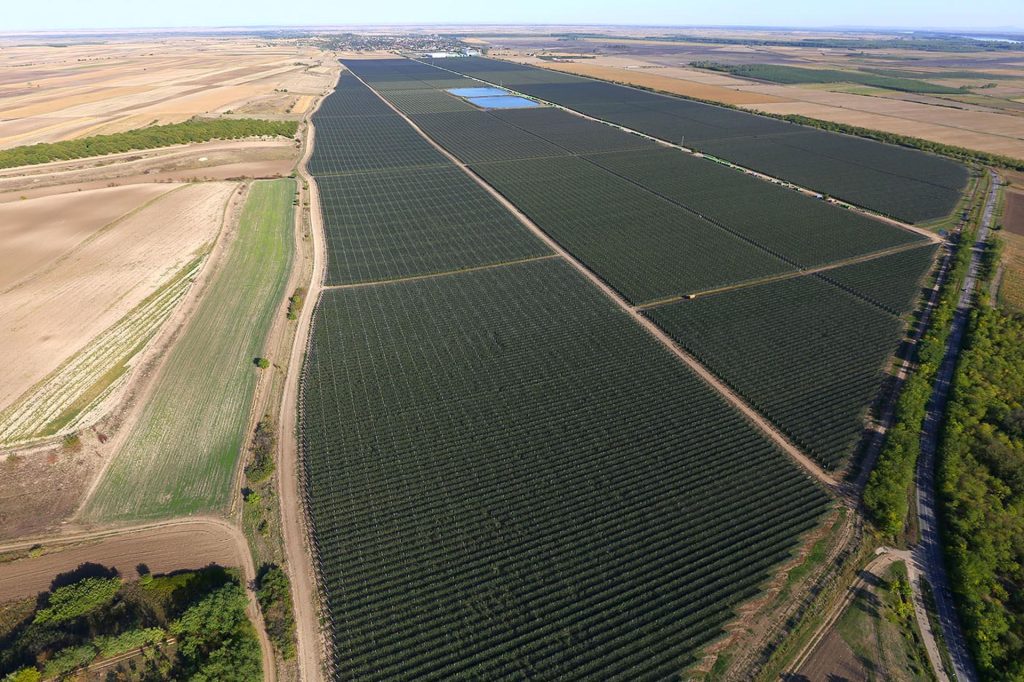
Raspberries, plums, cherries, apples and other fruits are already important Serbian agricultural products, while growing international demand for high-quality fruit and processed fruit products creates opportunities for further expansion.

According to the Statistical Office, 2026 expectations indicated a 14.6% increase in raspberry production and an impressive 96.3% increase in sour cherry production compared with the previous year. Wheat production was expected to reach approximately 3.845 million tonnes, 4.5% more than the previous year.

The long-term opportunity, however, is not simply producing larger quantities.

Serbia should focus on improving:

  • quality;
  • irrigation;
  • storage;
  • modern harvesting technology;
  • certification;
  • packaging;
  • traceability;
  • branding;
  • processing;
  • direct access to international markets.

Irrigation Will Become Increasingly Important

Climate variability represents one of the biggest challenges for agriculture.

Droughts, high temperatures, heavy rainfall, spring frosts and sudden weather changes can have a major impact on agricultural production.

For this reason, irrigation infrastructure will become increasingly important.

The new Agriculture and Rural Development Strategy specifically envisages the development of a special irrigation and drainage programme.

Better irrigation systems could reduce dependence on unpredictable rainfall and allow farmers to achieve more stable yields.

This is particularly important for fruit and vegetable production, where water availability can directly influence both quantity and quality.

Modern Technology Can Transform Serbian Farms

The future of agriculture will increasingly depend on technology.

Precision agriculture, satellite monitoring, GPS-guided machinery, automated irrigation, drones, soil sensors and artificial intelligence can help farmers make better decisions while reducing costs.

A modern farm can monitor:

  • soil moisture;
  • nutrient levels;
  • crop health;
  • weather conditions;
  • irrigation requirements;
  • disease risks;
  • machinery performance;
  • expected yields.

These technologies can allow farmers to use water, fertilizers and crop protection products more efficiently.

Digital agriculture is therefore not simply about buying expensive machinery. It is about using information to make better decisions.

Young Farmers and the Future of Rural Areas

One of the most important questions for Serbia is who will produce food in the future.

Many rural communities face population decline, while younger generations often move toward larger cities.

Agricultural development therefore has to be connected with the development of rural communities.

The new national strategy recognizes the importance of young people and includes measures aimed at supporting education and encouraging younger generations to enter agriculture and related professions.

A successful rural development policy should provide young people with more than agricultural subsidies. It should create an environment in which a young person can realistically build a modern agricultural business and achieve a stable income.

Cooperatives and Stronger Farmer Organizations

Small agricultural producers often face difficulties when negotiating with large buyers.

Individually, a small farmer may have limited bargaining power. A group of farmers organized through a cooperative or producer organization can have considerably greater influence.

Cooperation can help farmers:

  • purchase inputs at lower prices;
  • share machinery;
  • organize storage;
  • negotiate better prices;
  • meet large orders;
  • invest in processing;
  • develop common brands;
  • access export markets.

The new agricultural strategy includes changes aimed at improving the organization of producers and strengthening market structures.

This could be particularly important for Serbia’s fragmented agricultural sector.

Organic and Premium Agriculture

Another area with considerable potential is organic and premium agricultural production.

Consumers in Europe and other developed markets increasingly look for products with clear origins, high quality and sustainable production methods.

Serbia can use its relatively clean rural environments and traditional agricultural knowledge to develop stronger premium brands.

Organic fruit, vegetables, honey, wine, dairy products and traditional food could become important niche products.

The key is not simply to produce organically, but to develop recognizable Serbian brands that communicate quality, origin and authenticity.

Connecting Agriculture and Tourism

Agriculture can also become an important part of Serbia’s tourism industry.

Wine routes, fruit farms, traditional households, farm restaurants, rural accommodation and local food festivals can create additional sources of income for agricultural communities.

A tourist visiting Serbia could experience much more than historical monuments and natural attractions. They could visit a vineyard, pick fruit, taste traditional products or spend a weekend on a rural farm.

This combination of agriculture, gastronomy and tourism has particularly strong potential in regions such as Šumadija, Vojvodina, western Serbia and eastern Serbia.

Serbia’s Food Industry Could Become a Major Growth Engine

The biggest long-term opportunity may be the development of a complete agricultural and food-production chain.

Imagine a system in which:

Farmer → collection centre → processing plant → packaging → Serbian brand → logistics → international market

Such a system creates considerably more economic value than simply selling raw agricultural commodities.

It also creates jobs outside agriculture—in food processing, logistics, marketing, design, quality control, research and development.

This is how agriculture can become a broader driver of economic development.

Research, Education and Innovation

Modern agriculture requires knowledge.

Farmers increasingly need access to agronomists, veterinary experts, financial advisers, digital tools and market information.

The new Serbian agricultural strategy emphasizes stronger connections between agriculture, science and advisory services.

Universities, research institutions, agricultural institutes and private companies can play a much greater role in developing new varieties, improving production techniques and adapting agriculture to climate change.

Innovation should not remain limited to laboratories. It needs to reach farms.

The Importance of Sustainable Agriculture

Agricultural development must also protect the natural resources on which agriculture depends.

Soil degradation, water pollution, excessive use of fertilizers and pesticides and the loss of biodiversity can reduce agricultural productivity over the long term.

Sustainable agriculture means producing enough food while protecting soil, water and ecosystems for future generations.

This is particularly important at a time when climate change is making agricultural conditions less predictable.

A New Opportunity for Serbian Agriculture

Serbia currently stands at an important moment.

The country has fertile land, agricultural knowledge, established export markets and a strong food tradition. At the same time, it faces serious challenges, including climate change, fragmented farms, rural depopulation, insufficient processing capacity and the need for greater technological modernization.

The Agriculture and Rural Development Strategy 2026–2034 provides a framework for addressing many of these challenges, with a stronger emphasis on investment, modernization, innovation, sustainability and food security.

The Future of Serbian Agriculture

The future of Serbian agriculture should not be measured only by the number of tonnes produced.

Success should be measured by how much value is created from every hectare of land, how much income remains with farmers, how many young people can build successful businesses in rural areas and how many Serbian agricultural brands become recognized internationally.

Serbia has the potential to become not only a major producer of agricultural commodities, but also a competitive producer of high-quality food and premium agricultural products.

The combination of fertile land, traditional knowledge, modern technology, investment, better organization and stronger international marketing could transform Serbian agriculture over the next decade.

Agriculture Can Become One of Serbia’s Strongest Development Sectors

The opportunity is substantial.

If Serbia succeeds in connecting farmers with modern technology, science, processing industries, tourism and international markets, agriculture can become much more than a traditional economic sector.

It can become one of the country’s most important engines of economic growth, rural development, food security, exports and employment.

The foundations already exist. The challenge for the coming years is to turn Serbia’s agricultural potential into sustainable and profitable production that creates greater value for farmers, businesses and the country as a whole.

The Potential for Tourism Development in Serbia

Serbia: A Destination with Untapped Tourism Potential

Serbia has all the ingredients needed to become one of the most attractive emerging tourist destinations in Southeast Europe. Its combination of diverse landscapes, rich history, cultural heritage, traditional cuisine, vibrant cities and welcoming people provides an excellent foundation for further tourism development.

The country is already attracting millions of visitors every year, but its tourism potential is considerably greater than the current level of international recognition suggests.

In September 2026, Serbia adopted a new Tourism Development Strategy for 2026–2030, with the goal of positioning the country as an authentic, sustainable and recognizable destination on the international market. The strategy places particular emphasis on year-round tourism, digital transformation, sustainability and stronger international visibility.

Strong Results and Significant Room for Growth

Serbia has made considerable progress as a tourist destination over the past decade. In 2024, the country recorded 4.4 million tourist arrivals, 12.7 million overnight stays and approximately €2.8 billion in foreign-exchange revenue from tourism. The new national strategy aims to increase this even further. By 2030, Serbia is targeting between 5.6 and 6.4 million tourist arrivals and between 16.1 and 18.5 million overnight stays. The government expects EXPO 2027 in Belgrade to make an important contribution to achieving these objectives.

These figures demonstrate that tourism is becoming an increasingly important part of Serbia’s economy.

Natural Beauty as a Major Tourism Asset

One of Serbia’s greatest advantages is its natural diversity.

From the mountains of western and southern Serbia to the plains of Vojvodina, from the Danube and Sava rivers to spectacular canyons and lakes, the country offers a surprisingly wide variety of landscapes within a relatively small geographical area.

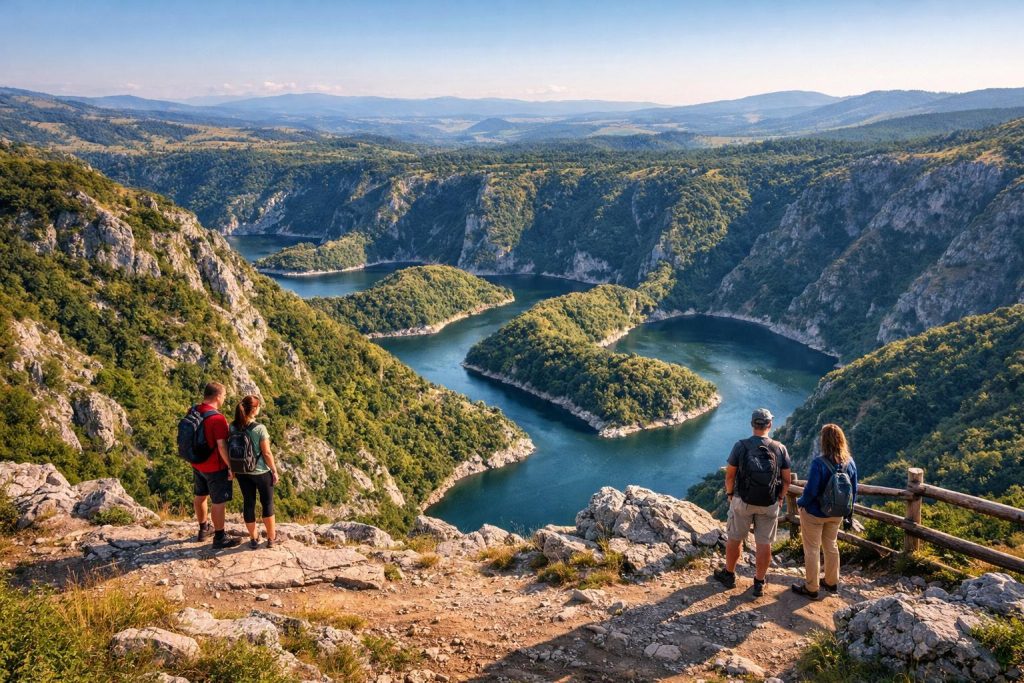
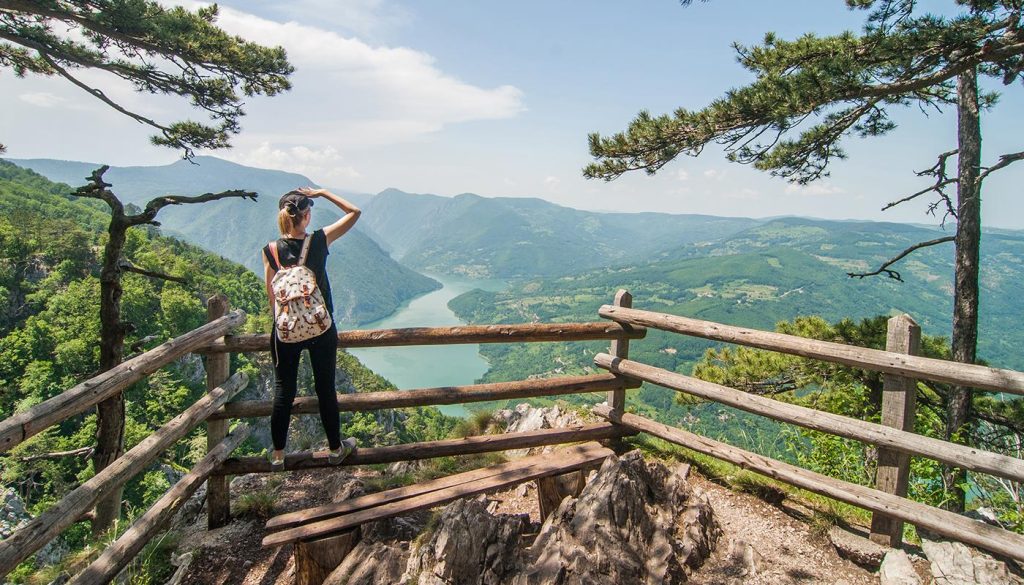
Destinations such as Tara National Park, Uvac Special Nature Reserve, Đerdap National Park, Kopaonik, Zlatibor, Stara Planina and Fruška Gora have enormous potential for hiking, cycling, adventure tourism, wildlife observation and nature-based holidays.

The Uvac canyon, for example, has become one of Serbia’s most recognizable natural attractions, with its spectacular meanders, viewpoints and opportunities for hiking and boat excursions.

8

The future of Serbian tourism should therefore not depend exclusively on traditional summer and winter destinations. Nature tourism can help extend the tourist season throughout the entire year.

Cultural and Historical Tourism

Serbia also possesses a remarkable cultural and historical heritage.

Belgrade, Novi Sad, Niš, Sremski Karlovci, Vojvodina and numerous smaller towns offer opportunities to develop cultural tourism based on architecture, museums, archaeological sites, monasteries, fortresses and traditional communities.

Serbia’s medieval monasteries are particularly important. Sites such as Studenica, Žiča, Sopoćani and Manasija represent an important part of the country’s cultural identity and can attract visitors interested in history, architecture, religion and art.

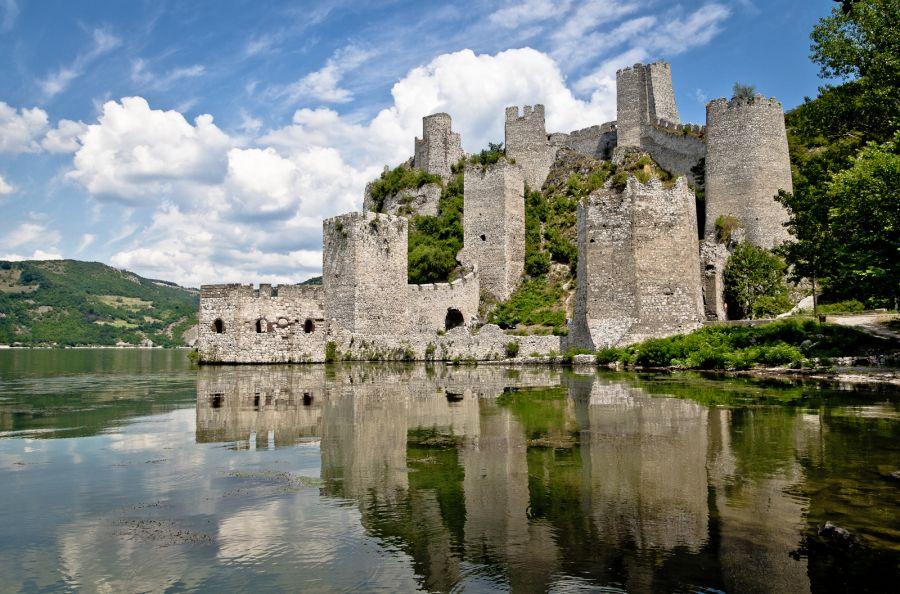
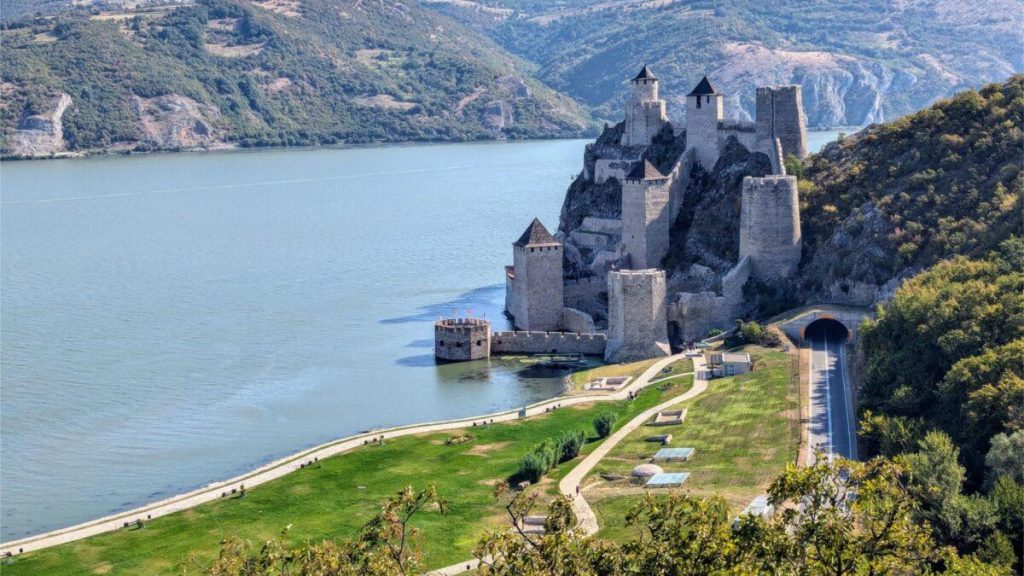
Fortresses along the Danube provide another opportunity for tourism development. Belgrade Fortress, Golubac Fortress and the fortifications of Smederevo could form part of a larger cultural-tourism route connecting Serbia’s history with the Danube.

The Danube – One of Serbia’s Greatest Opportunities

The Danube represents an especially valuable tourism resource.

It connects Serbia with a large part of Central and Eastern Europe and offers opportunities for river cruises, boating, fishing, cycling, gastronomy and cultural tourism.

The Đerdap Gorge, often called the Iron Gate, is one of the most impressive sections of the Danube in Europe. Its combination of dramatic landscapes, archaeological heritage and historic sites creates the basis for an internationally attractive tourism destination.

Developing better marinas, cycling routes, visitor centres, accommodation and tourist services along the Danube could significantly increase the economic value generated by river tourism.

Gastronomy as a Tourism Product

Serbian cuisine is another largely underused tourism resource.

Traditional dishes, local wines, rakija, cheeses, cured meats, honey, fruit products and regional specialties can become much more than something tourists consume during their stay—they can become a reason to visit Serbia.

Wine tourism has particularly strong potential in regions such as Fruška Gora, Šumadija, Negotin and the areas around Vršac.

The combination of vineyards, traditional villages, restaurants, wineries and cultural attractions could create attractive multi-day tourism experiences.

Rural and Village Tourism

Rural Serbia offers another significant opportunity.

Many villages are surrounded by beautiful landscapes and have preserved traditional architecture, food production and customs. With relatively modest investment, these areas can develop accommodation, farm-to-table restaurants, cycling routes, walking trails and authentic cultural experiences.

Rural tourism can also have an important social and economic role because it can provide additional income for local families and help slow the depopulation of smaller communities.

Instead of concentrating tourism exclusively in Belgrade and several major mountain resorts, Serbia has an opportunity to distribute tourism revenue more evenly across the country.

Adventure and Active Tourism

Modern tourists increasingly look for experiences rather than conventional sightseeing.

Serbia can offer rafting, kayaking, hiking, mountain biking, paragliding, climbing, fishing, horseback riding and other outdoor activities.

The mountains and rivers of western and eastern Serbia are particularly suitable for this type of tourism.

Developing professional services, clear safety standards, marked trails, digital maps and multilingual information would make these activities more attractive to international visitors.

Belgrade as the Main Gateway

7

Belgrade will continue to play a central role in Serbia’s tourism development.

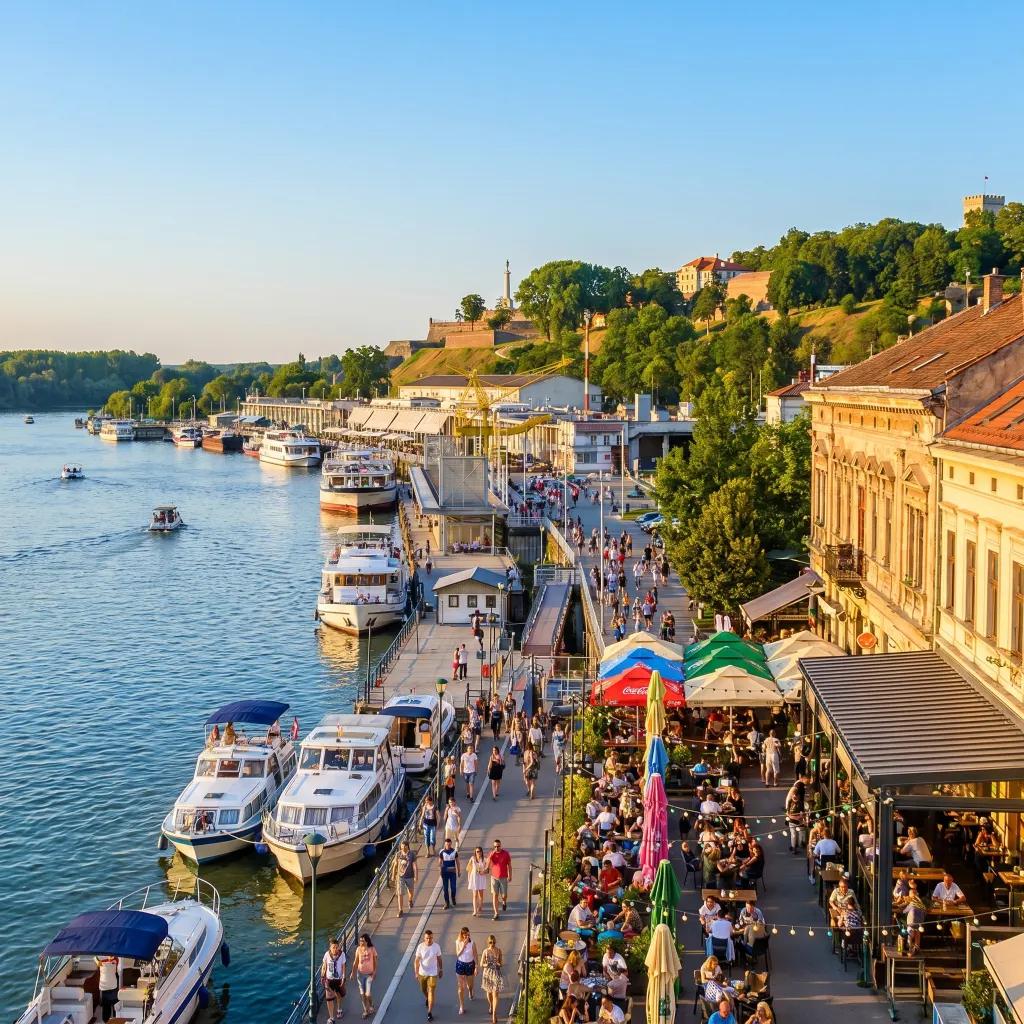
The capital already offers a combination of history, nightlife, gastronomy, architecture, rivers and cultural events that makes it attractive for short city breaks.

However, Belgrade can also become a gateway to the rest of Serbia.

A visitor arriving in Belgrade could spend two or three days in the capital before continuing to Novi Sad, Fruška Gora, Golubac, Tara, Uvac or other destinations. Better connections between destinations and professionally designed tourism packages could significantly increase the average length of stay.

EXPO 2027 as a Historic Opportunity

The Specialized EXPO 2027 in Belgrade represents an exceptional opportunity to introduce Serbia to visitors who may never previously have considered the country as a holiday destination.

Millions of international visitors are expected to come to Belgrade during the event. The challenge will be to encourage them to stay longer and explore destinations outside the capital.

EXPO 2027 could therefore become a catalyst for the development of tourism infrastructure, international promotion and new tourism products.

The real measure of success, however, will be what happens after EXPO 2027.

Digital Tourism and Modern Promotion

Tourism is changing rapidly. Visitors increasingly plan their journeys using smartphones, online maps, social media, travel platforms and artificial intelligence.

Serbia has an opportunity to use digital technology to present destinations in a much more sophisticated way.

A modern tourism system could provide visitors with:

  • multilingual digital guides;
  • interactive maps and travel routes;
  • online ticketing;
  • digital tourist cards;
  • AI-powered travel recommendations;
  • virtual tours;
  • integrated accommodation and transport information;
  • personalized travel itineraries.

The new Tourism Development Strategy specifically identifies digital transformation and smart tourism as important elements of Serbia’s future tourism development.

Sustainable Tourism Must Be the Goal

Tourism development should not simply mean attracting more visitors.

Serbia must also protect the natural and cultural resources that make the country attractive in the first place.

Sustainable tourism means protecting forests, rivers, national parks and cultural monuments while ensuring that local communities benefit economically from tourism.

This is particularly important for destinations such as Uvac, Tara, Đerdap and other protected areas where uncontrolled development could damage the very landscapes tourists come to experience.

The Road Ahead

Serbia has a rare combination of advantages: a central European location, relatively short distances between attractions, diverse nature, rich cultural heritage, affordable travel compared with many Western European destinations, excellent cuisine and a strong tradition of hospitality.

The country’s challenge is not a lack of attractions. The greater challenge is turning those attractions into well-organized, internationally recognizable tourism products.

Better infrastructure, professional destination management, multilingual promotion, investment in local accommodation, improved transport connections and stronger cooperation between municipalities and private businesses will be essential.

Serbia Has the Potential to Become a Major Tourism Destination

The adoption of the 2026–2030 Tourism Development Strategy provides a clear framework for the next stage of Serbia’s tourism development. Its emphasis on sustainability, innovation, digitalization and year-round tourism reflects the changing expectations of modern travellers.

With EXPO 2027 providing an unprecedented international platform, Serbia has a unique opportunity to move from being an interesting but relatively undiscovered destination to becoming a recognized European tourism destination.

The potential is already there. The next step is to connect Serbia’s natural beauty, history, culture, gastronomy and hospitality into experiences that international visitors will remember—and want to experience again.

Wildfires in Serbia: Firefighters Battle Blazes Across the Country

Wildfires Continue to Challenge Serbia

Serbia is facing a demanding period of wildfire activity, with numerous fires burning across different parts of the country. As of 7 September 2026, authorities reported 34 active wildfires in open areas, while firefighters and emergency services continued operations at several major locations.

The situation is particularly challenging because several fires are burning in mountainous and difficult-to-access terrain, while strong winds and dry conditions can quickly change the direction and intensity of the flames.

Suva Planina Among the Most Critical Areas

One of the most serious current fires is burning on Suva Planina in southeastern Serbia. The fire, which began on 4 September, has spread across several parts of the mountain range.

The most active area is around Devojački Grob, at approximately 1,300 metres above sea level. Flames have also reached the area around Trem, the highest peak of Suva Planina, at 1,810 metres. More than 170 firefighters and other emergency personnel, supported by 46 vehicles and three helicopters operated by the Serbian Ministry of Interior, are involved in the firefighting operation. Forestry workers, members of the Mountain Rescue Service, volunteer firefighters and local residents have also contributed to the response. Fortunately, authorities have reported no fatalities or injuries and no immediate threat to residential or auxiliary buildings in the affected area.

Fires in Deliblato Sands and Eastern Serbia

Another important area affected by fire is Deliblato Sands, one of Serbia’s most valuable natural areas. The fire there has been particularly difficult to manage because wind can rapidly reignite previously controlled areas.

The reserve suffered significant wildfire damage earlier this summer. International assistance was also provided during the major firefighting operations, including firefighters, vehicles and aircraft from several European countries, while a Russian Ilyushin firefighting aircraft was also deployed.

On 7 September, strong winds contributed to the reactivation of fire in parts of Deliblato Sands, demonstrating how difficult it can be to completely eliminate underground and hidden hotspots.

Fires are also active in the Majdanpek area, where crews are battling flames affecting forests and low vegetation.

Difficult Terrain Makes Firefighting More Complicated

Mountain fires present a particular challenge for emergency services. In some areas of Suva Planina, steep slopes, a lack of roads and limited access to water make it extremely difficult for firefighters to reach the flames from the ground.

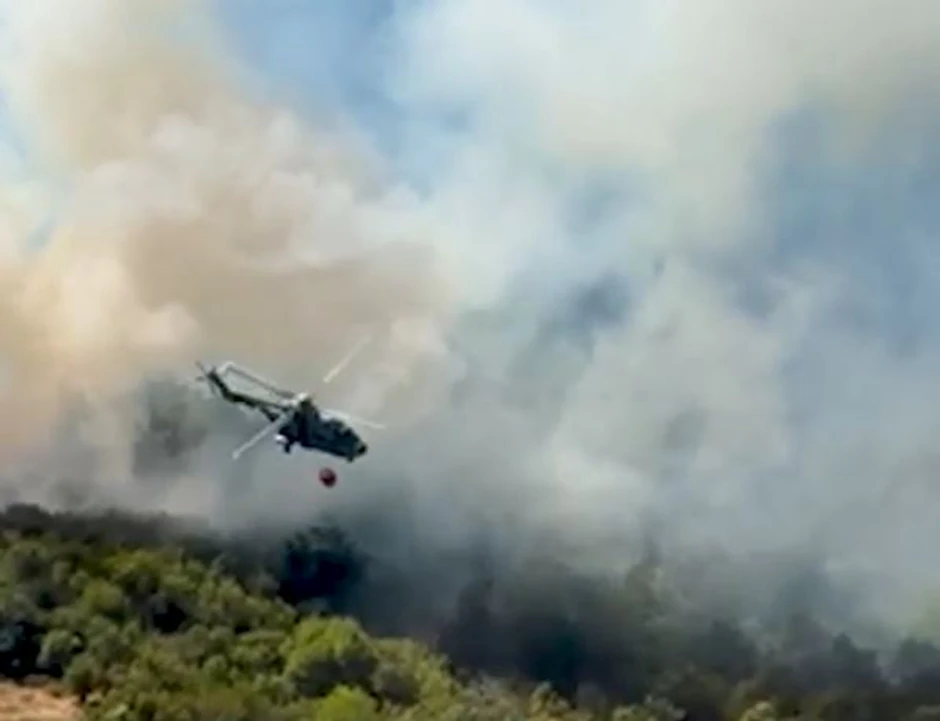
For this reason, aerial firefighting has become an important part of the response. Serbian helicopters have been deployed to areas where ground crews cannot safely reach the fire, while aircraft have also been used during the wider firefighting campaign.

The combination of dry vegetation, high temperatures, strong winds and difficult terrain creates conditions in which relatively small fires can develop rapidly.

A Summer of Serious Wildfire Activity

The current situation follows a summer marked by several major wildfires across Serbia.

Among the most significant incidents were fires in Deliblato Sands, Stolovi, Goč and the area around Vranje. In August, the Serbian government reported that 35 wildfires were active across the country. International assistance was mobilized through the European Union Civil Protection Mechanism, with firefighting teams and helicopters from several European countries participating in operations. The fire on Stolovi Mountain near Kraljevo, which began in early August, was eventually localized after an extensive operation involving more than 300 firefighters and rescuers, as well as helicopters and international teams.

The Importance of Protecting Serbia’s Forests

Wildfires can have consequences that extend far beyond the immediate destruction caused by flames. Forest ecosystems can take decades to recover, while soil erosion, loss of biodiversity and damage to wildlife habitats may continue long after a fire has been extinguished.

This is particularly important in protected natural areas such as Deliblato Sands. Recent analysis of the damage there has highlighted the need for long-term ecological restoration and improved forest management as Serbia faces increasingly frequent and severe fires.

Prevention Is Everyone’s Responsibility

Although emergency services play the central role in fighting wildfires, prevention remains one of the most effective ways to protect people and nature.

During periods of elevated fire risk, residents and visitors should avoid burning vegetation, throwing cigarette butts into dry grass, leaving fires unattended or using open flames near forests and dry vegetation. Any smoke or uncontrolled fire should be reported to the emergency services immediately.

Serbia Faces Another Difficult Fire Season

The latest fires are a reminder that wildfire prevention and preparedness are becoming increasingly important in Serbia. The combination of changing weather patterns, prolonged dry periods and strong winds can create extremely dangerous conditions.

Firefighters, volunteers, forestry workers, rescue teams and local communities continue to work together to protect people, homes and Serbia’s natural landscapes.

As the latest operations demonstrate, early detection, responsible behaviour and rapid intervention can make the difference between a manageable fire and a major disaster.

EXPO 2027 Belgrade: Serbia Prepares to Welcome the World

EXPO 2027 Belgrade: A Global Event Coming to Serbia

Belgrade is preparing to become the meeting point of the world as Serbia gets ready to host EXPO 2027, a major international event that will bring together countries, organizations, innovators, artists, athletes and millions of visitors from around the globe.

The Specialized EXPO will take place in Belgrade from 15 May to 15 August 2027, lasting 93 days. It will be the first Specialized EXPO ever held in the Western Balkans and is expected to attract more than four million visitors.

“Play for Humanity – Sport and Music for All”

The central theme of EXPO 2027 is “Play for Humanity – Sport and Music for All.” The organizers aim to show that play is much more than entertainment. It can encourage creativity, innovation, cooperation and communication between people of different cultures and generations.

The programme will explore three major areas: Power of Play, Play for Progress and Play Together. Visitors will be able to experience international exhibitions, cultural performances, sports activities, workshops, educational programmes and interactive installations.

Music and sport will have a particularly important role throughout the event, providing a universal language through which people can connect and share experiences.

More Than 130 Countries and Millions of Visitors

EXPO 2027 is expected to bring together more than 130 countries, creating an extraordinary opportunity for international cooperation and cultural exchange.

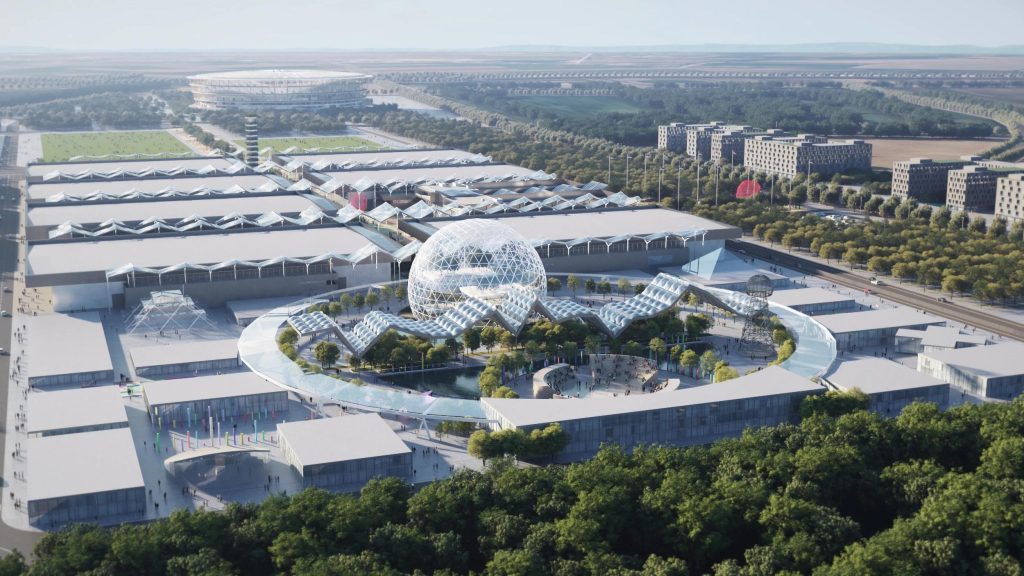
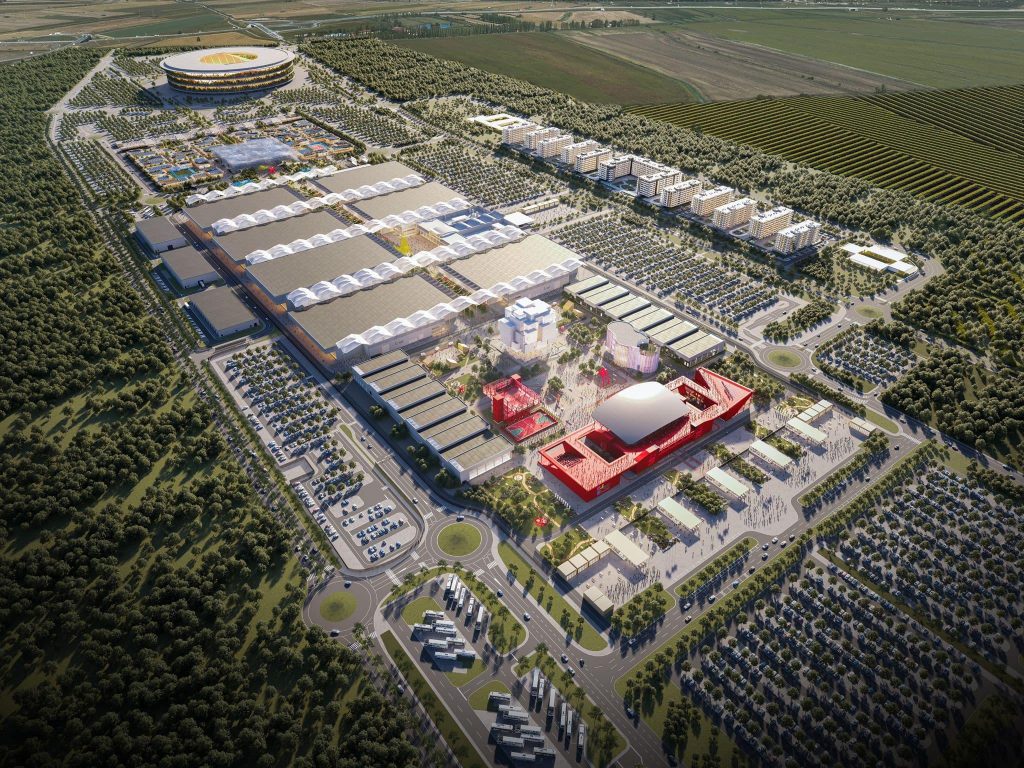
For Serbia, the event represents much more than a three-month exhibition. It is also an opportunity to present Belgrade and the country to an international audience while developing new infrastructure, improving connectivity and creating a lasting legacy for future generations. The EXPO site is being developed in Surčin, near Belgrade’s Nikola Tesla Airport, and preparations include exhibition facilities, infrastructure and supporting projects designed to accommodate the expected number of visitors and participants.

Become Part of EXPO 2027 as a Volunteer

One of the most exciting opportunities connected with EXPO 2027 is the chance to become a volunteer.

The official volunteer programme opened in May 2026 and is expected to involve more than 20,000 volunteers during the event. People from Serbia, the region and other countries around the world can apply and become part of the team responsible for welcoming visitors and helping create a memorable EXPO experience.

Volunteering at EXPO 2027 can be an excellent opportunity to meet people from different countries, gain valuable experience, improve communication skills and participate directly in one of the largest international events ever organized in Serbia.

Apply to become an EXPO 2027 Belgrade volunteer

Belgrade at the Centre of International Attention

EXPO 2027 will place Belgrade in the international spotlight for three months. With hundreds of programmes, international participants, cultural events, sports activities and innovative exhibitions, the city is expected to become a dynamic meeting place for ideas, creativity and collaboration.

For visitors, EXPO 2027 will offer the opportunity to discover different cultures and technologies in one place. For businesses and organizations, it will provide opportunities for networking and international cooperation. And for Serbia, it represents a chance to demonstrate its creativity, hospitality and vision for the future.

A New Chapter for Belgrade

EXPO 2027 is not simply an event that will last 93 days. Its organizers describe it as an opportunity to create a lasting legacy through new infrastructure, improved connections and new international partnerships. As the final preparations continue, excitement surrounding EXPO 2027 is growing. In May 2027, Belgrade will open its doors to the world—and invite everyone to Play for Humanity.