
Agriculture in Serbia: Development and Its Enormous Potential
A Strategic Sector for Serbia’s Future
Agriculture has always been one of the most important economic activities in Serbia. The country’s fertile land, favorable climate, extensive agricultural areas, abundant water resources and long tradition of farming provide a strong foundation for further development.
However, Serbia’s agricultural potential is much greater than simply producing wheat, corn, fruit and vegetables. The greatest opportunity lies in transforming agriculture into a modern, technologically advanced and competitive sector that combines primary production with food processing, innovation, exports, rural tourism and sustainable development.
The Serbian Government recently adopted the Agriculture and Rural Development Strategy for 2026–2034, placing modernization, investment, innovation, sustainability and food security among the key priorities for the coming years.
Serbia Has Excellent Natural Conditions for Agriculture
Serbia’s geographical position gives it a major advantage.
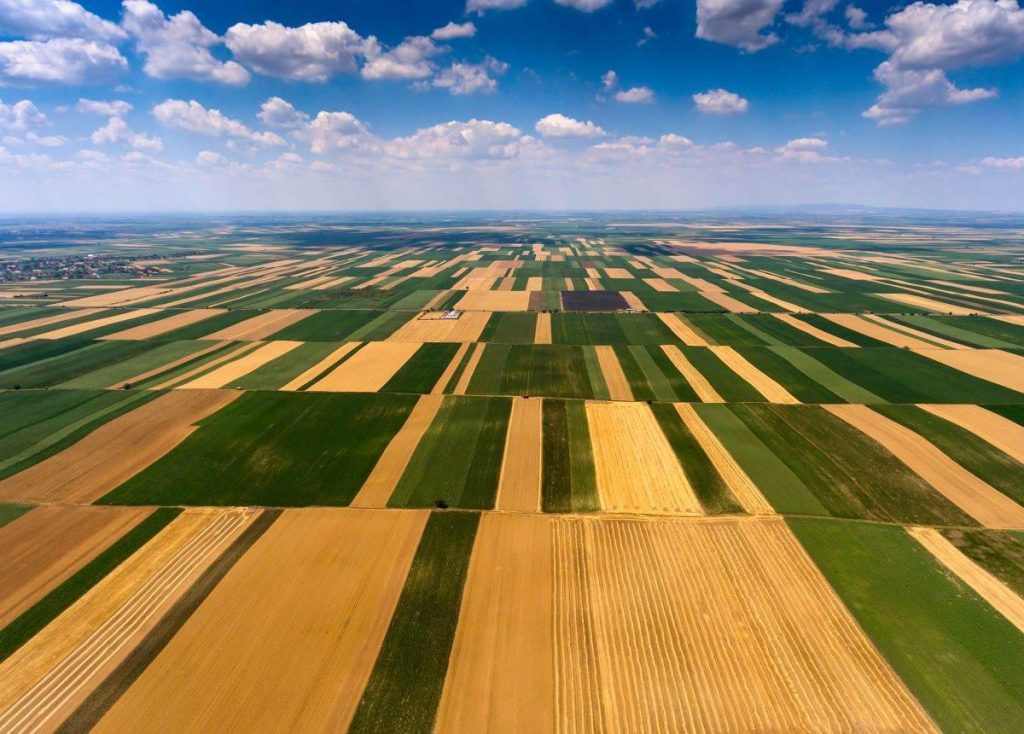
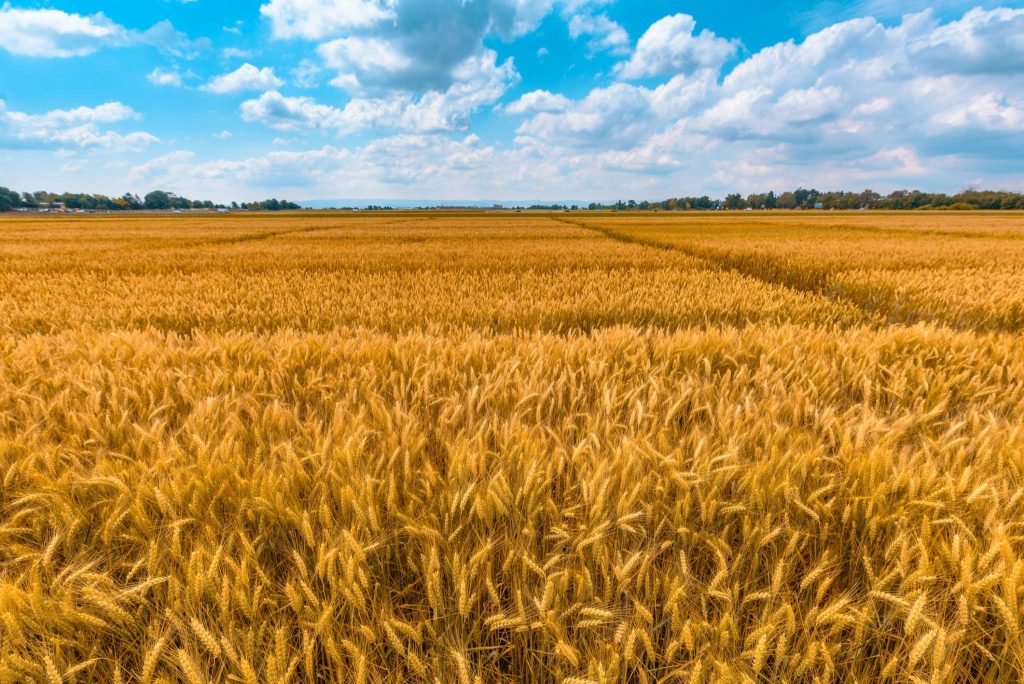
The fertile plains of Vojvodina are particularly suitable for large-scale crop production, while central, western and southern Serbia offer excellent conditions for fruit growing, livestock farming, vineyards and smaller specialized agricultural holdings.
Serbia produces a wide range of agricultural products, including:
- wheat;
- corn;
- sunflower;
- soybeans;
- sugar beet;
- raspberries;
- cherries and sour cherries;
- plums;
- apples;
- grapes;
- vegetables;
- dairy products;
- meat and livestock products;
- honey and other traditional agricultural products.
This diversity is an important advantage because it allows Serbian agriculture to serve both domestic consumers and international markets.
Agriculture Is Also an Important Export Opportunity
Agriculture and food production have an important role in Serbia’s foreign trade.
According to data from the Statistical Office of the Republic of Serbia, agricultural, forestry and fishing activities generated exports worth approximately €1.05 billion in 2025 under the production-based classification. Crop and animal production accounted for the overwhelming majority of this value.
The opportunity for further growth is particularly significant if Serbia increases the share of processed products in its exports.
Instead of exporting primarily raw agricultural commodities, Serbian companies can generate significantly greater value by producing finished and semi-finished products.
For example, instead of exporting raw fruit, Serbia can increasingly export:
- frozen fruit;
- fruit concentrates;
- juices;
- jams;
- dried fruit;
- premium organic products;
- processed vegetables;
- packaged food;
- functional and healthy food products.
This approach can increase farmers’ incomes while creating additional employment in rural areas.
From Raw Materials to Finished Products
One of the biggest challenges facing Serbian agriculture is the relatively low level of processing of certain agricultural products.
A modern agricultural economy should not end at the farm gate.
A kilogram of fruit can have one value when sold immediately after harvesting, another when frozen or dried, and significantly greater value when transformed into a branded finished product.
This means that the future of Serbian agriculture is closely connected with the development of the food-processing industry.
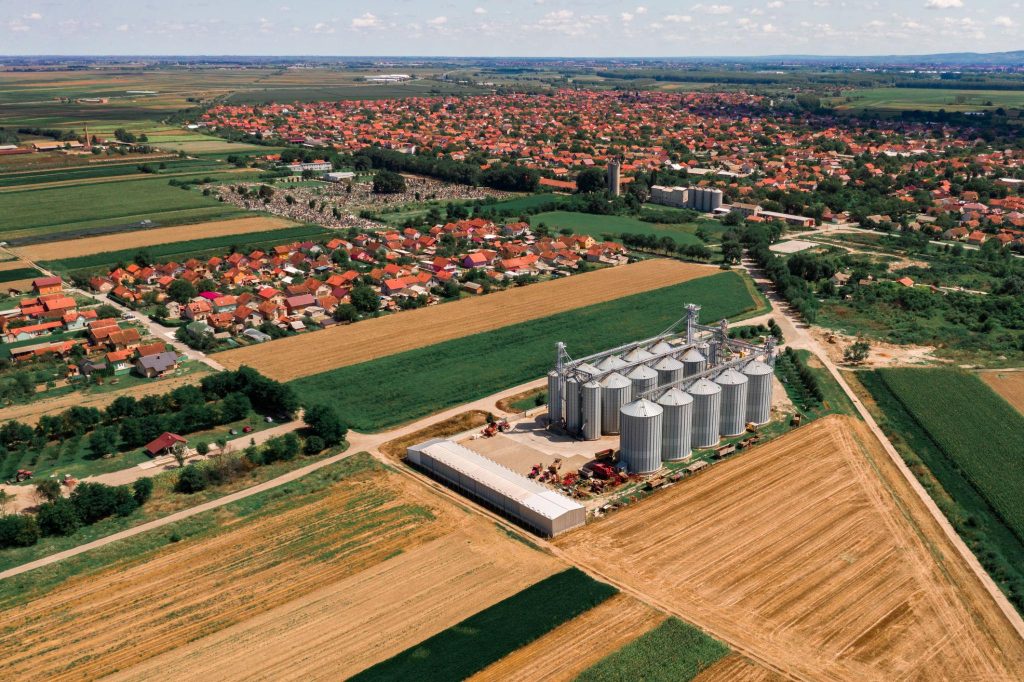
Investments in cold storage facilities, modern processing plants, packaging, quality control, logistics and branding could substantially increase the value generated by Serbian agriculture.
Fruit Growing as One of Serbia’s Greatest Strengths
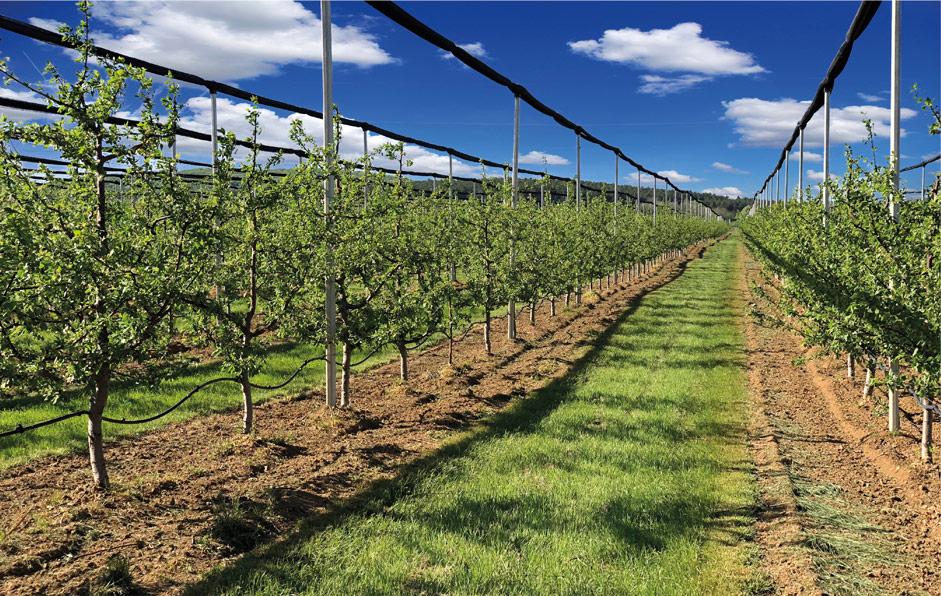
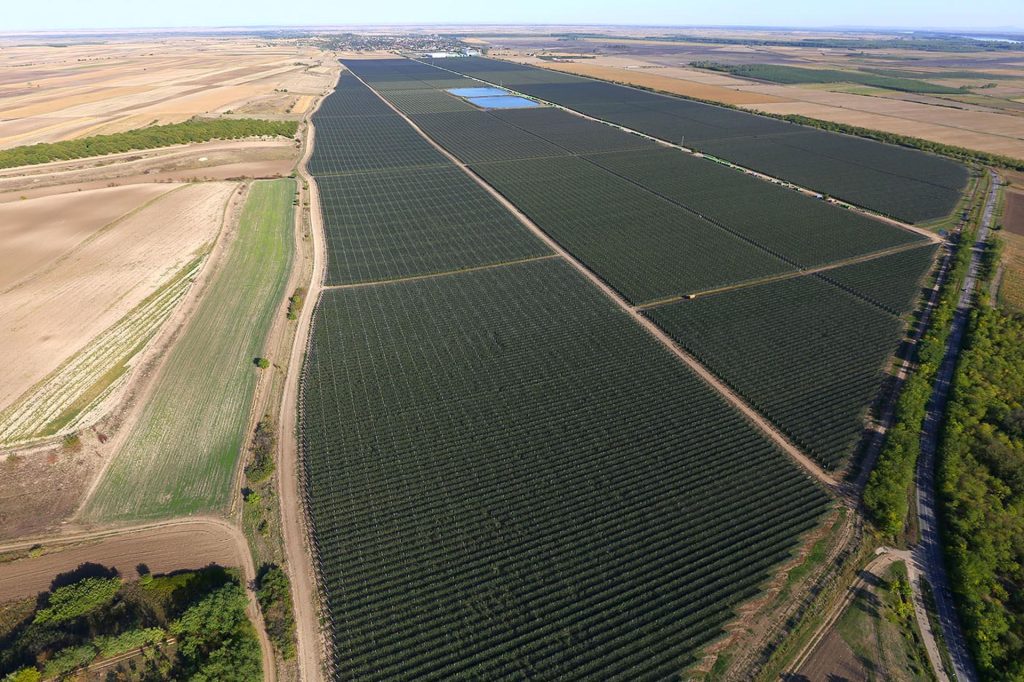
Serbia has particularly strong potential in fruit production.
Raspberries, plums, cherries, apples and other fruits are already important Serbian agricultural products, while growing international demand for high-quality fruit and processed fruit products creates opportunities for further expansion.
According to the Statistical Office, 2026 expectations indicated a 14.6% increase in raspberry production and an impressive 96.3% increase in sour cherry production compared with the previous year. Wheat production was expected to reach approximately 3.845 million tonnes, 4.5% more than the previous year.
The long-term opportunity, however, is not simply producing larger quantities.
Serbia should focus on improving:
- quality;
- irrigation;
- storage;
- modern harvesting technology;
- certification;
- packaging;
- traceability;
- branding;
- processing;
- direct access to international markets.
Irrigation Will Become Increasingly Important
Climate variability represents one of the biggest challenges for agriculture.
Droughts, high temperatures, heavy rainfall, spring frosts and sudden weather changes can have a major impact on agricultural production.
For this reason, irrigation infrastructure will become increasingly important.
The new Agriculture and Rural Development Strategy specifically envisages the development of a special irrigation and drainage programme.
Better irrigation systems could reduce dependence on unpredictable rainfall and allow farmers to achieve more stable yields.
This is particularly important for fruit and vegetable production, where water availability can directly influence both quantity and quality.
Modern Technology Can Transform Serbian Farms
The future of agriculture will increasingly depend on technology.
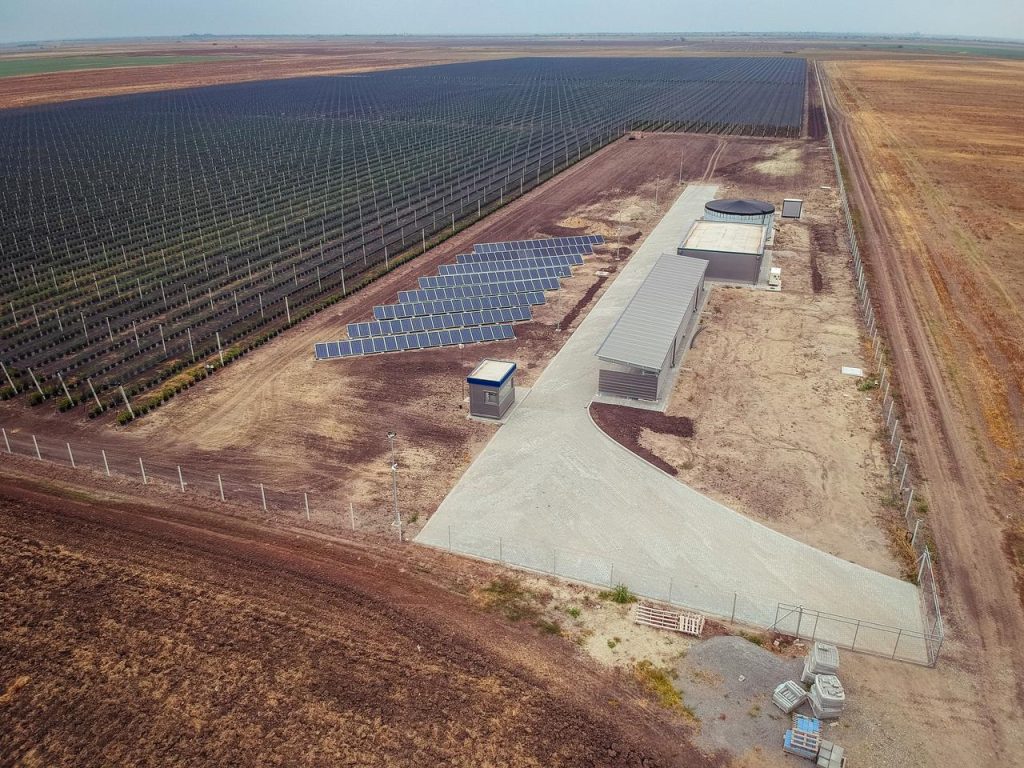
Precision agriculture, satellite monitoring, GPS-guided machinery, automated irrigation, drones, soil sensors and artificial intelligence can help farmers make better decisions while reducing costs.
A modern farm can monitor:
- soil moisture;
- nutrient levels;
- crop health;
- weather conditions;
- irrigation requirements;
- disease risks;
- machinery performance;
- expected yields.
These technologies can allow farmers to use water, fertilizers and crop protection products more efficiently.
Digital agriculture is therefore not simply about buying expensive machinery. It is about using information to make better decisions.
Young Farmers and the Future of Rural Areas
One of the most important questions for Serbia is who will produce food in the future.
Many rural communities face population decline, while younger generations often move toward larger cities.
Agricultural development therefore has to be connected with the development of rural communities.
The new national strategy recognizes the importance of young people and includes measures aimed at supporting education and encouraging younger generations to enter agriculture and related professions.
A successful rural development policy should provide young people with more than agricultural subsidies. It should create an environment in which a young person can realistically build a modern agricultural business and achieve a stable income.
Cooperatives and Stronger Farmer Organizations
Small agricultural producers often face difficulties when negotiating with large buyers.
Individually, a small farmer may have limited bargaining power. A group of farmers organized through a cooperative or producer organization can have considerably greater influence.
Cooperation can help farmers:
- purchase inputs at lower prices;
- share machinery;
- organize storage;
- negotiate better prices;
- meet large orders;
- invest in processing;
- develop common brands;
- access export markets.
The new agricultural strategy includes changes aimed at improving the organization of producers and strengthening market structures.
This could be particularly important for Serbia’s fragmented agricultural sector.
Organic and Premium Agriculture
Another area with considerable potential is organic and premium agricultural production.
Consumers in Europe and other developed markets increasingly look for products with clear origins, high quality and sustainable production methods.
Serbia can use its relatively clean rural environments and traditional agricultural knowledge to develop stronger premium brands.
Organic fruit, vegetables, honey, wine, dairy products and traditional food could become important niche products.
The key is not simply to produce organically, but to develop recognizable Serbian brands that communicate quality, origin and authenticity.
Connecting Agriculture and Tourism
Agriculture can also become an important part of Serbia’s tourism industry.
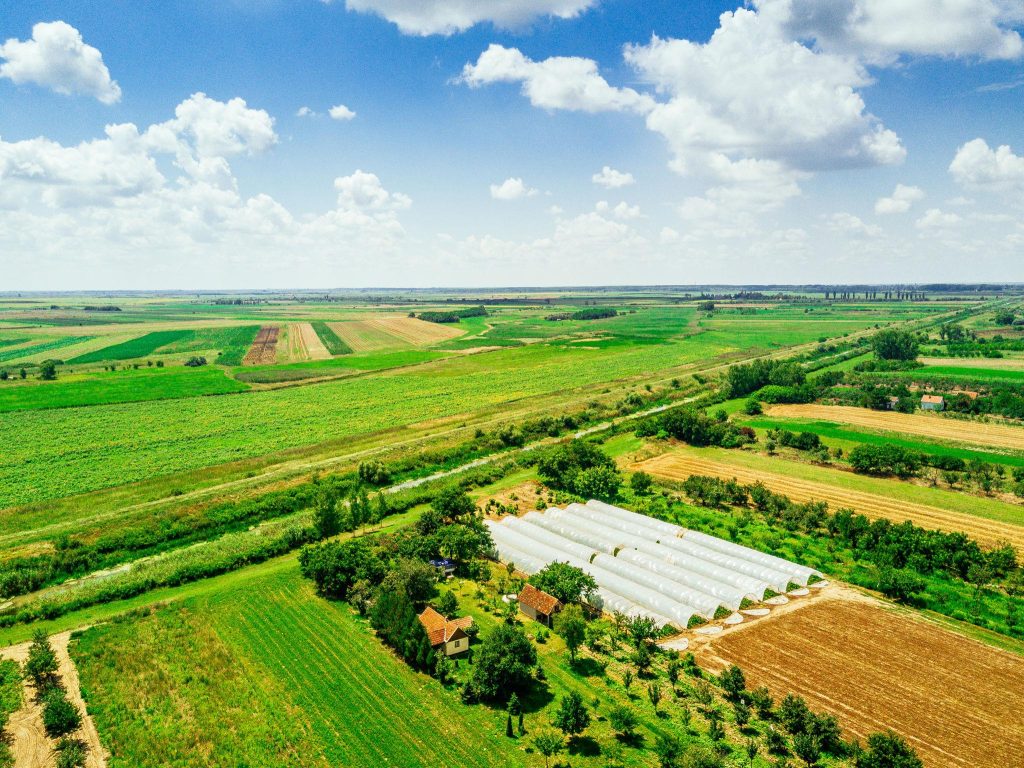
Wine routes, fruit farms, traditional households, farm restaurants, rural accommodation and local food festivals can create additional sources of income for agricultural communities.
A tourist visiting Serbia could experience much more than historical monuments and natural attractions. They could visit a vineyard, pick fruit, taste traditional products or spend a weekend on a rural farm.
This combination of agriculture, gastronomy and tourism has particularly strong potential in regions such as Šumadija, Vojvodina, western Serbia and eastern Serbia.
Serbia’s Food Industry Could Become a Major Growth Engine
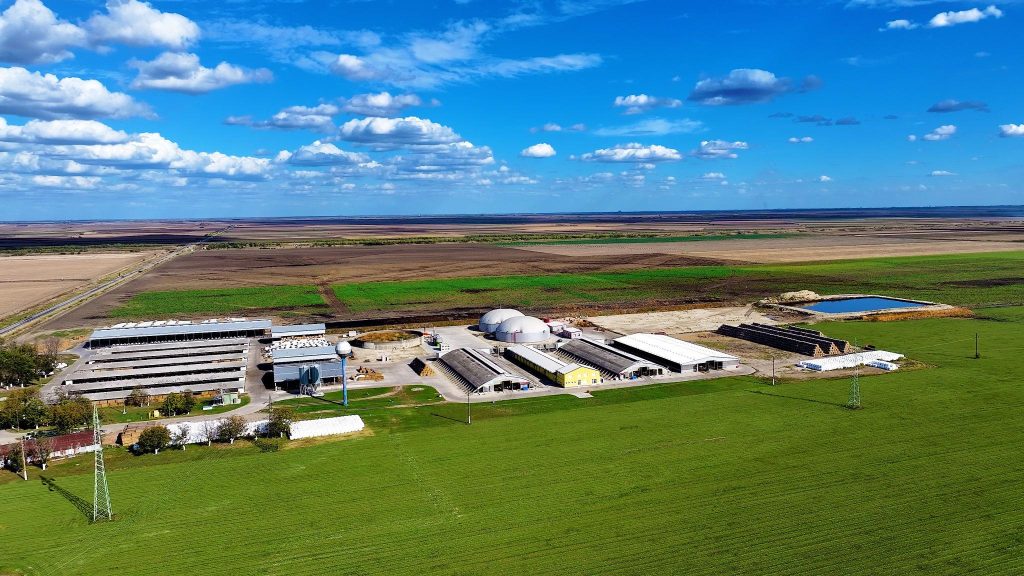
The biggest long-term opportunity may be the development of a complete agricultural and food-production chain.
Imagine a system in which:
Farmer → collection centre → processing plant → packaging → Serbian brand → logistics → international market
Such a system creates considerably more economic value than simply selling raw agricultural commodities.
It also creates jobs outside agriculture—in food processing, logistics, marketing, design, quality control, research and development.
This is how agriculture can become a broader driver of economic development.
Research, Education and Innovation
Modern agriculture requires knowledge.
Farmers increasingly need access to agronomists, veterinary experts, financial advisers, digital tools and market information.
The new Serbian agricultural strategy emphasizes stronger connections between agriculture, science and advisory services.
Universities, research institutions, agricultural institutes and private companies can play a much greater role in developing new varieties, improving production techniques and adapting agriculture to climate change.
Innovation should not remain limited to laboratories. It needs to reach farms.
The Importance of Sustainable Agriculture
Agricultural development must also protect the natural resources on which agriculture depends.
Soil degradation, water pollution, excessive use of fertilizers and pesticides and the loss of biodiversity can reduce agricultural productivity over the long term.
Sustainable agriculture means producing enough food while protecting soil, water and ecosystems for future generations.
This is particularly important at a time when climate change is making agricultural conditions less predictable.
A New Opportunity for Serbian Agriculture
Serbia currently stands at an important moment.
The country has fertile land, agricultural knowledge, established export markets and a strong food tradition. At the same time, it faces serious challenges, including climate change, fragmented farms, rural depopulation, insufficient processing capacity and the need for greater technological modernization.
The Agriculture and Rural Development Strategy 2026–2034 provides a framework for addressing many of these challenges, with a stronger emphasis on investment, modernization, innovation, sustainability and food security.
The Future of Serbian Agriculture
The future of Serbian agriculture should not be measured only by the number of tonnes produced.
Success should be measured by how much value is created from every hectare of land, how much income remains with farmers, how many young people can build successful businesses in rural areas and how many Serbian agricultural brands become recognized internationally.
Serbia has the potential to become not only a major producer of agricultural commodities, but also a competitive producer of high-quality food and premium agricultural products.
The combination of fertile land, traditional knowledge, modern technology, investment, better organization and stronger international marketing could transform Serbian agriculture over the next decade.
Agriculture Can Become One of Serbia’s Strongest Development Sectors
The opportunity is substantial.
If Serbia succeeds in connecting farmers with modern technology, science, processing industries, tourism and international markets, agriculture can become much more than a traditional economic sector.
It can become one of the country’s most important engines of economic growth, rural development, food security, exports and employment.
The foundations already exist. The challenge for the coming years is to turn Serbia’s agricultural potential into sustainable and profitable production that creates greater value for farmers, businesses and the country as a whole.