Job Opportunities in Serbia: Where Are the Best Opportunities?
Serbia’s Labour Market Is Changing
Finding a job in Serbia has become a very different process compared with previous decades. The labour market is changing under the influence of technology, foreign investment, demographic trends, new business models and the growing importance of services.
For people looking for employment, this creates both challenges and opportunities.
According to the latest Labour Force Survey published by the Statistical Office of the Republic of Serbia, 2.84 million people were employed in Serbia in the second quarter of 2026, while 220,200 people were unemployed. The unemployment rate was 7.2%, down from the previous quarter.
These figures show that finding a suitable job is certainly possible, but the opportunities are not evenly distributed among professions and regions.

Which Sectors Offer the Most Opportunities?
The Serbian economy is diverse, and employment opportunities can be found in many different sectors.
Services account for the largest share of employment. At the end of 2025, approximately 60% of employed people worked in services, followed by manufacturing with 22.6% and agriculture with 11.3%.
This means that job seekers should look beyond traditional office jobs. Opportunities exist in tourism, hospitality, logistics, transportation, retail, healthcare, education, manufacturing, construction, agriculture and numerous professional services.
Information Technology and Digital Professions
Information technology remains one of the most attractive areas for people with appropriate skills.
Software development, web development, cybersecurity, cloud technologies, data analysis, artificial intelligence, digital marketing and technical support can provide opportunities for both domestic employment and international remote work.
One of the major advantages of digital professions is that a person does not necessarily have to live in Belgrade to work for an international company.
Remote work has opened the Serbian labour market to employers from other countries, while Serbian professionals can compete for positions that previously required relocation.
However, the technology sector is also becoming more competitive. Simply completing a short programming course is no longer enough for many better-paid positions. Employers increasingly look for practical experience, portfolios, foreign-language skills and the ability to solve real business problems.
Manufacturing and Technical Professions
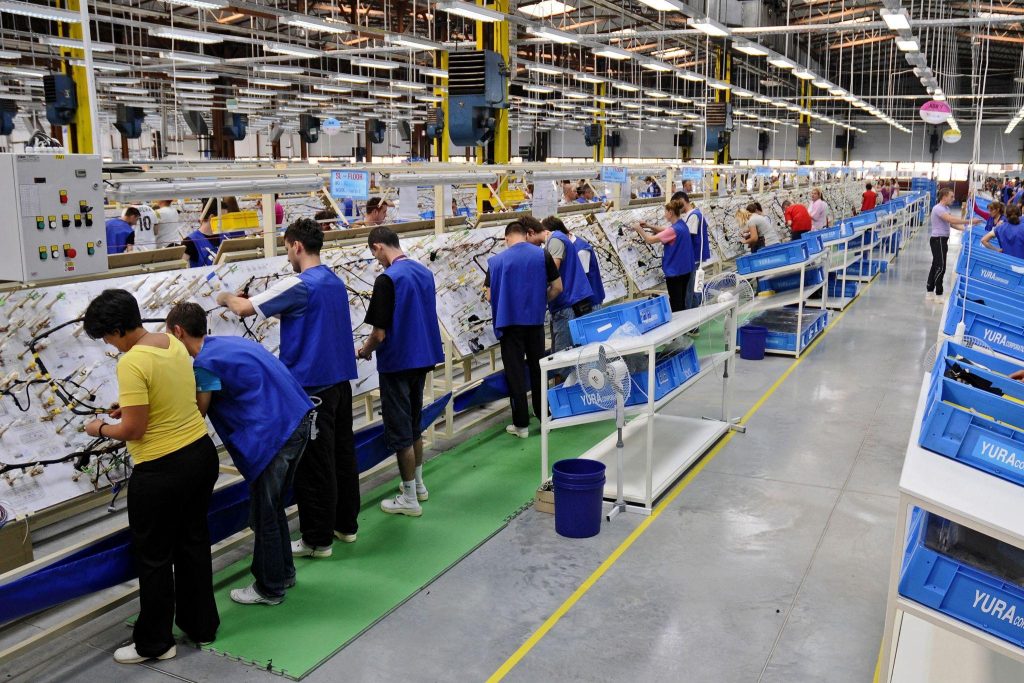
Manufacturing remains an important source of employment throughout Serbia.
Factories and industrial companies need workers with different levels of qualifications, including:
- machine operators;
- electricians;
- mechanical technicians;
- maintenance specialists;
- quality-control workers;
- production supervisors;
- engineers;
- logistics specialists.
Registered employment statistics for the second quarter of 2026 show that manufacturing remained one of the country’s largest employment sectors, although the number of registered employees in manufacturing decreased compared with the same period of the previous year.
This illustrates an important point: manufacturing remains significant, but the structure of jobs is changing and employers increasingly need workers with specialized technical knowledge.
Construction Offers Opportunities for Skilled Workers
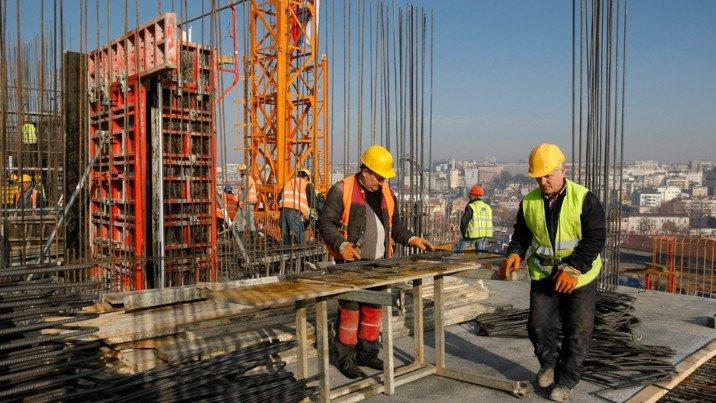
Construction is another sector where practical skills can be valuable.
Electricians, plumbers, welders, carpenters, tilers, heating and air-conditioning technicians, machine operators and other skilled tradespeople can find employment opportunities both in Serbia and abroad.
The construction industry also creates opportunities for engineers, architects, project managers, quantity surveyors and safety specialists.
For young people choosing a profession, skilled trades can therefore represent an alternative to a traditional university education.
A good craftsman with experience and a strong reputation can potentially earn a very good income, particularly when working independently.
Tourism and Hospitality
Tourism is becoming increasingly important for Serbia.
Belgrade, Novi Sad, mountain resorts, spa towns, wine regions and rural destinations generate demand for employees in hotels, restaurants, travel agencies and tourist services.
Jobs can include:
- hotel receptionists;
- chefs;
- waiters;
- housekeepers;
- tour guides;
- drivers;
- travel agents;
- event staff;
- hotel managers;
- digital marketing specialists.
The development of tourism associated with EXPO 2027 in Belgrade could provide additional employment opportunities in hospitality, transportation, events, tourism and related services.
Knowledge of foreign languages can be a major advantage in this sector.
Transport and Logistics
Serbia’s geographical position makes transportation and logistics particularly important.
The country is located on important European transportation routes and has road, rail, river and air connections with the wider region.
This creates demand for:
- professional drivers;
- warehouse workers;
- logistics coordinators;
- dispatchers;
- supply-chain specialists;
- customs specialists;
- transport managers.
The growth of e-commerce is also creating additional demand for warehouse, delivery and logistics services.
Healthcare and Social Services
Healthcare is another area where demand for qualified workers is expected to remain significant.
Doctors, nurses, medical technicians, pharmacists, physiotherapists and other healthcare professionals can find employment opportunities in both the public and private sectors.
Private healthcare has also expanded in Serbia, creating additional opportunities for medical professionals and administrative workers.
At the same time, demographic changes are increasing the need for elderly care and social services.
Agriculture and Food Production
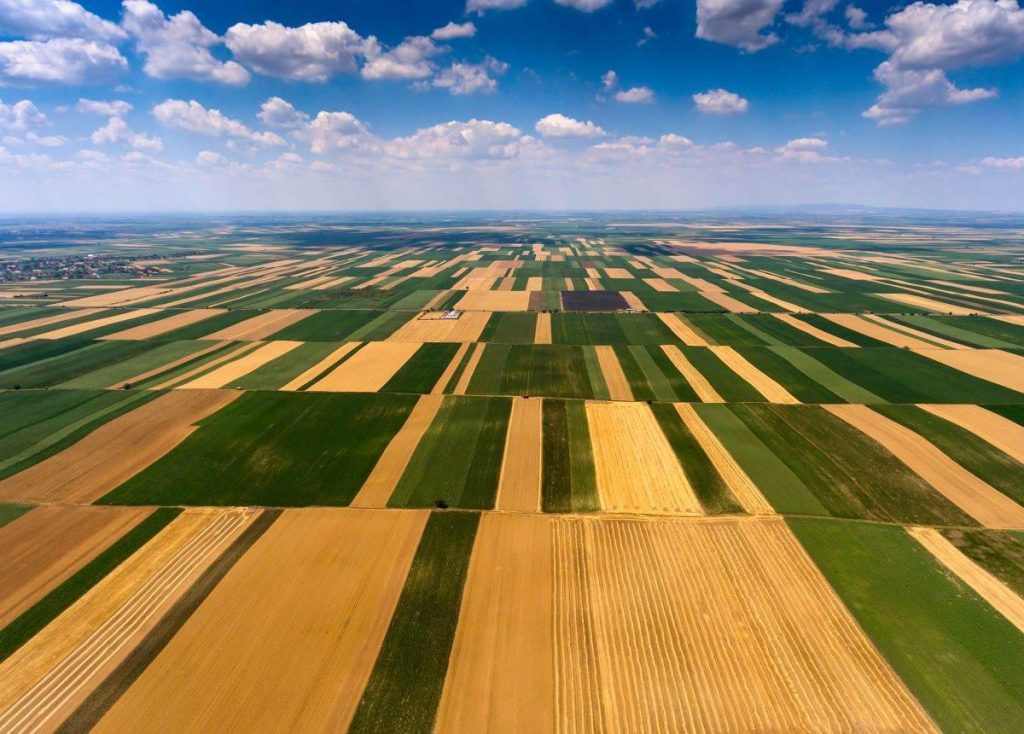
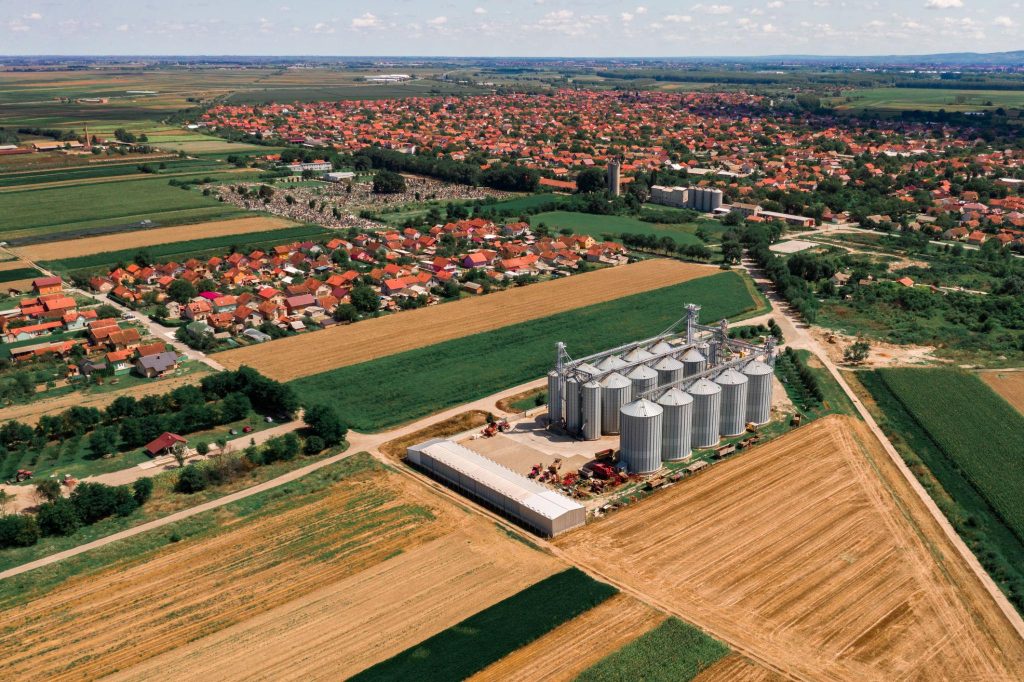
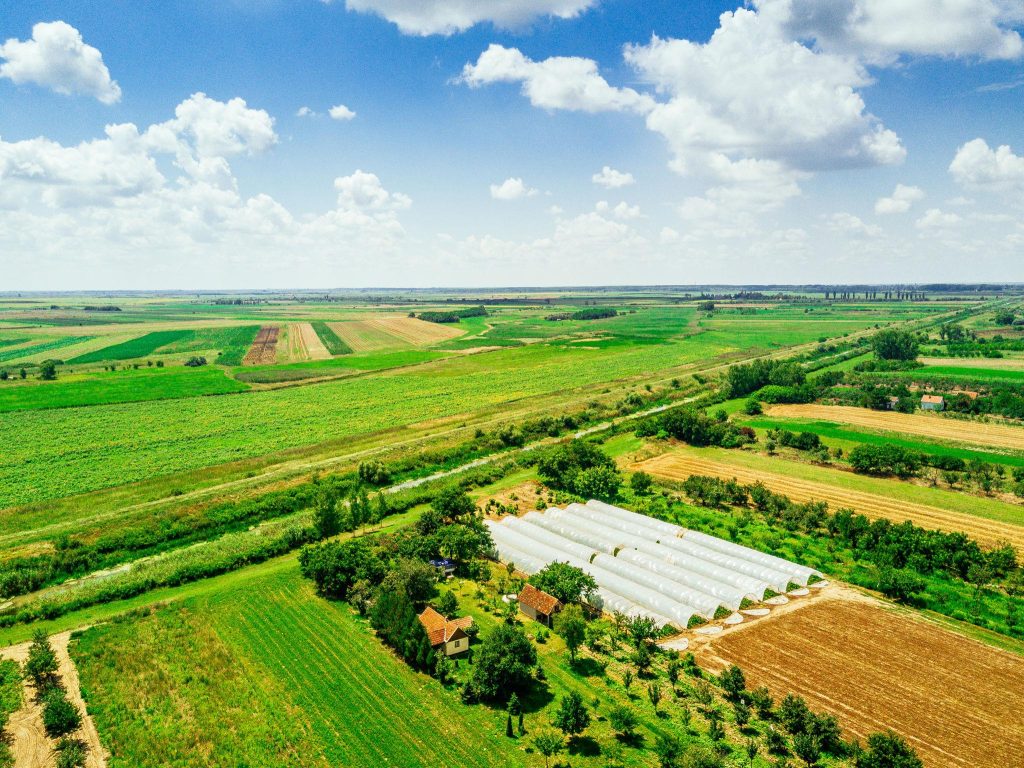
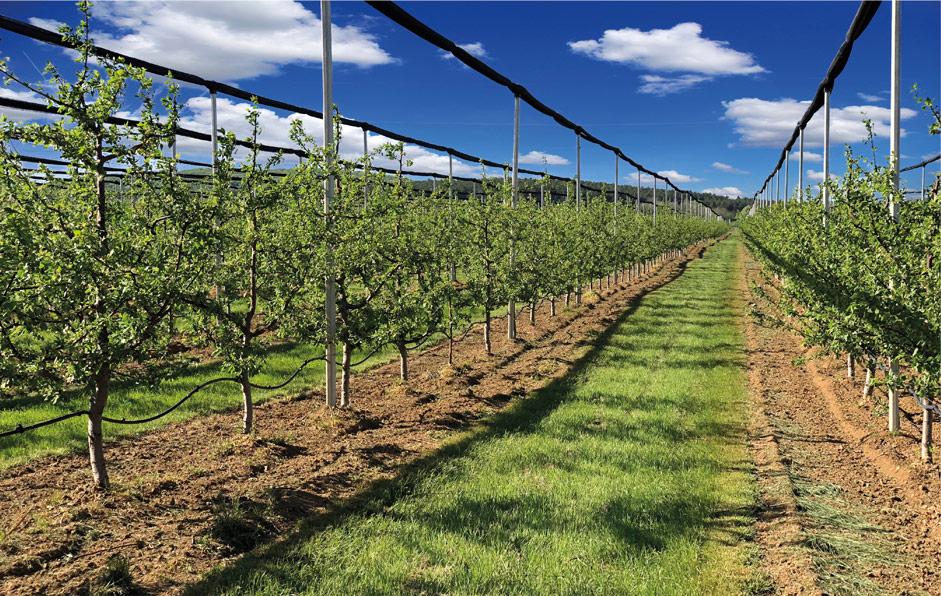
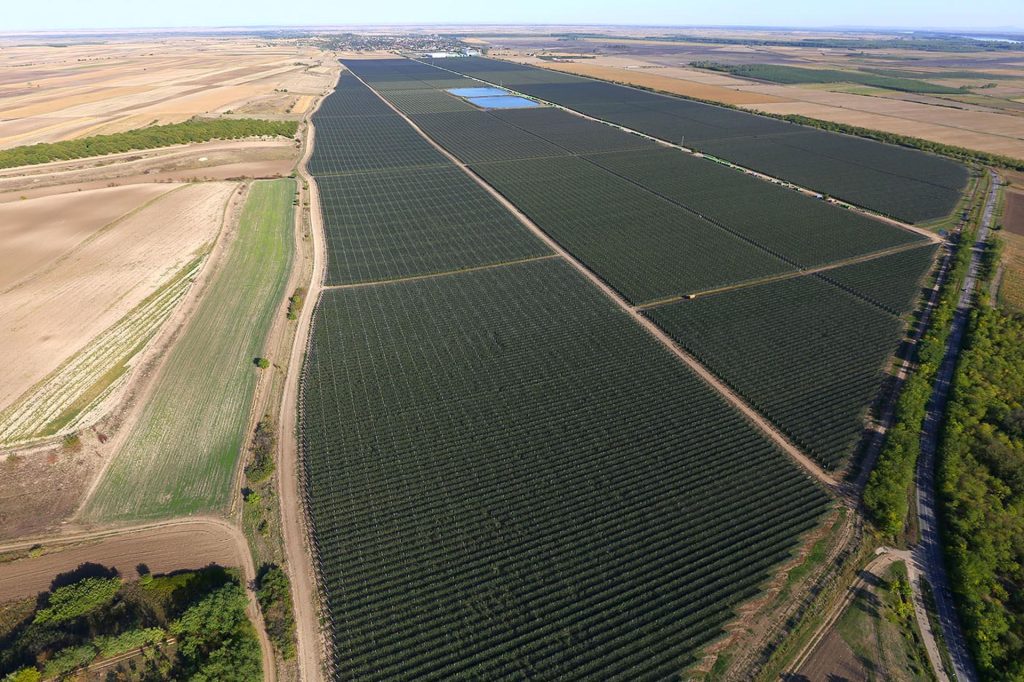
Agriculture continues to provide employment, particularly in rural areas.
However, modern agriculture increasingly requires people with technical and business knowledge.
There are opportunities for agronomists, agricultural technicians, machinery operators, veterinarians, food technologists, logistics specialists and workers in food processing.
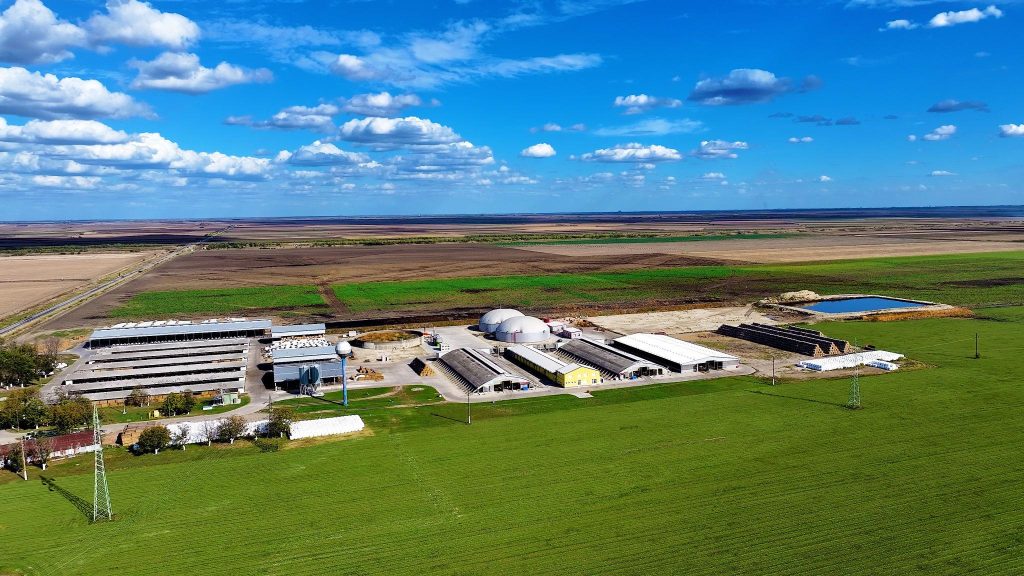
Serbia also has considerable potential in the processing and export of agricultural products, which could create additional employment beyond primary agricultural production.
Working in Belgrade or Outside the Capital
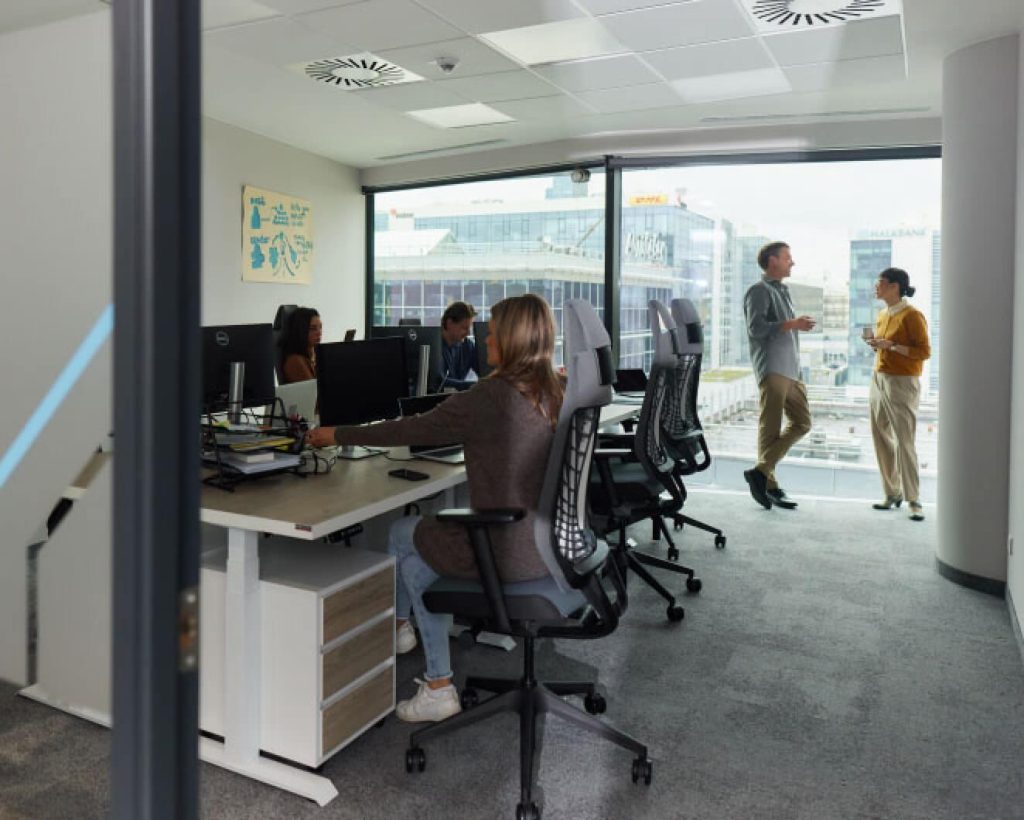
Belgrade offers the largest concentration of job opportunities, particularly in professional services, IT, finance, telecommunications, administration, tourism and large companies.
However, people looking for employment should not ignore other parts of Serbia.
Novi Sad, Niš, Kragujevac, Subotica, Čačak, Kraljevo and other regional centres have their own industrial and service economies.
Manufacturing, agriculture, logistics and tourism can be particularly important outside Belgrade.
Remote work has also reduced the importance of geographical location for some professions.
A person living in a smaller Serbian town can potentially work for a company based in Belgrade or another country without moving.
Foreign Languages Can Make a Major Difference
Knowledge of English is increasingly important in the Serbian labour market.
For jobs involving international companies, tourism, IT, customer support, sales and administration, good English can significantly increase employment opportunities.
Additional languages such as German, French, Italian, Spanish or Russian can provide an additional advantage, particularly in customer service, tourism, logistics and companies working with foreign markets.
For many young people, investing in language skills can therefore be just as important as obtaining a formal qualification.
Education Is Important, but Practical Skills Matter Too
A university degree remains important for many professions, but it is not the only path to employment.
The Serbian economy needs both highly educated professionals and skilled workers.
Electricians, mechanics, welders, heating technicians, programmers, designers, healthcare workers, drivers and many other professionals can build successful careers through vocational education, professional training and practical experience.
The most valuable combination is often:
education + practical skills + experience + communication skills + willingness to learn.
Young People Face Particular Challenges
Although the general unemployment rate in Serbia has declined, young people continue to face greater difficulties entering the labour market.
In the second quarter of 2026, the unemployment rate among people aged 15–24 was 22%.
This is why gaining practical experience during education can be extremely valuable.
Internships, student projects, apprenticeships, volunteering and part-time work can help young people build their first professional network and demonstrate their abilities to potential employers.
Salaries and the Importance of Choosing the Right Profession
According to the Statistical Office of the Republic of Serbia, the average salary in June 2026 was 120,401 dinars.
However, the average salary does not tell the whole story.
Income varies considerably according to profession, education, experience, location and employer.
Some specialized professions can provide significantly higher incomes, while entry-level positions may pay considerably less.
For someone choosing a career, it is therefore more useful to ask:
Which skills will be in demand over the next five or ten years?
rather than simply asking which jobs currently offer the highest salaries.
Remote Work Creates New Possibilities
One of the most significant changes in the modern labour market is the possibility of working remotely.
A Serbian resident with suitable digital skills can work for a company based in Germany, Austria, the United States, the United Kingdom or another country without necessarily moving abroad.
This applies particularly to:
- software development;
- graphic design;
- digital marketing;
- translation;
- online customer support;
- accounting;
- consulting;
- video production;
- content creation;
- virtual assistance.
Remote employment can therefore provide access to a much larger labour market than the domestic market alone.
Entrepreneurship Is Another Route to Employment
Not everyone needs to look for a traditional employer.
Self-employment and entrepreneurship can provide another route to income.
Small businesses can be established in areas such as:
- agriculture;
- food production;
- tourism;
- crafts;
- construction;
- transport;
- digital services;
- e-commerce;
- consulting;
- professional services.
The internet has also reduced some of the barriers to starting a small business.
A person can now potentially sell products or services not only to customers in Serbia but also to clients around the world.
What Can Improve Employment Prospects?
For an individual looking for work, several steps can make a significant difference.
First, it is important to identify skills that employers actually need.
Second, a CV should be adapted to the specific position rather than sent unchanged to every employer.
Third, practical experience should be highlighted, even when it comes from internships, personal projects or freelance work.
Fourth, learning should continue after formal education.
And finally, networking should not be underestimated. Many employment opportunities are discovered through professional contacts, recommendations and direct communication with companies.
The Future of Employment in Serbia
Serbia’s labour market is likely to continue changing.
Automation and artificial intelligence will transform some traditional jobs, while creating demand for new skills.
Digitalization will affect almost every industry, including manufacturing, agriculture, transport, finance, healthcare and tourism.
At the same time, demographic changes may increase demand for workers in healthcare, social services and other sectors where human interaction remains essential.
The biggest advantage in the future labour market may therefore be adaptability.
People who are prepared to learn new skills and adapt to technological and economic changes will have more opportunities than those who rely exclusively on one qualification obtained many years earlier.
Serbia Offers Opportunities—but Skills Matter
Finding a job in Serbia is neither impossible nor equally easy for everyone.
The latest labour-market data show a relatively low unemployment rate of 7.2%, but the figures also reveal important differences between age groups and economic sectors.
The best opportunities are likely to be found where skills, demand and economic growth meet.
For some people, that may be IT or digital services. For others, it may be manufacturing, construction, healthcare, tourism, agriculture or logistics.
The key is to understand the market, develop useful skills and be willing to adapt.
A Labour Market with Room for Growth
Serbia is going through an economic and technological transformation that is changing the way people work.
The traditional idea that a successful career requires moving to Belgrade or leaving the country is becoming less universal. New opportunities are emerging in regional cities, smaller communities and the online economy.
For young people, experienced workers and those considering a career change, the most important question is no longer simply “Where can I find a job?”
It is:
“Which skills can I develop that will make me valuable in the Serbian and international labour markets?”
For those prepared to learn, adapt and take advantage of new technologies, Serbia offers a growing range of opportunities for building a career and creating a sustainable source of income.